What Is Saguenay-Lac-Saint-Jean Known For? 12 Reasons Why You Need To Visit


***This blog post is based on a 4-day press trip hosted by Saguenay-Lac-Saint-Jean; however, all the opinions are my own.
Are You Traveling To The Saguenay-Lac-Saint-Jean Region Of Quebec, But Are Not Sure Why It Is So Famous?
Tucked away in the heart of Québec, Saguenay-Lac-Saint-Jean is a region where natural beauty meets rich cultural heritage.
From its dramatic fjords and sandy beaches to its vibrant Indigenous history and blueberry-filled fields, this off-the-beaten-path gem is well worth visiting.
In this post, I’ll take you through 12 reasons why this lesser-known region should be on your travel radar.
Let’s dive in!
1. The Stunning Saguenay Fjord
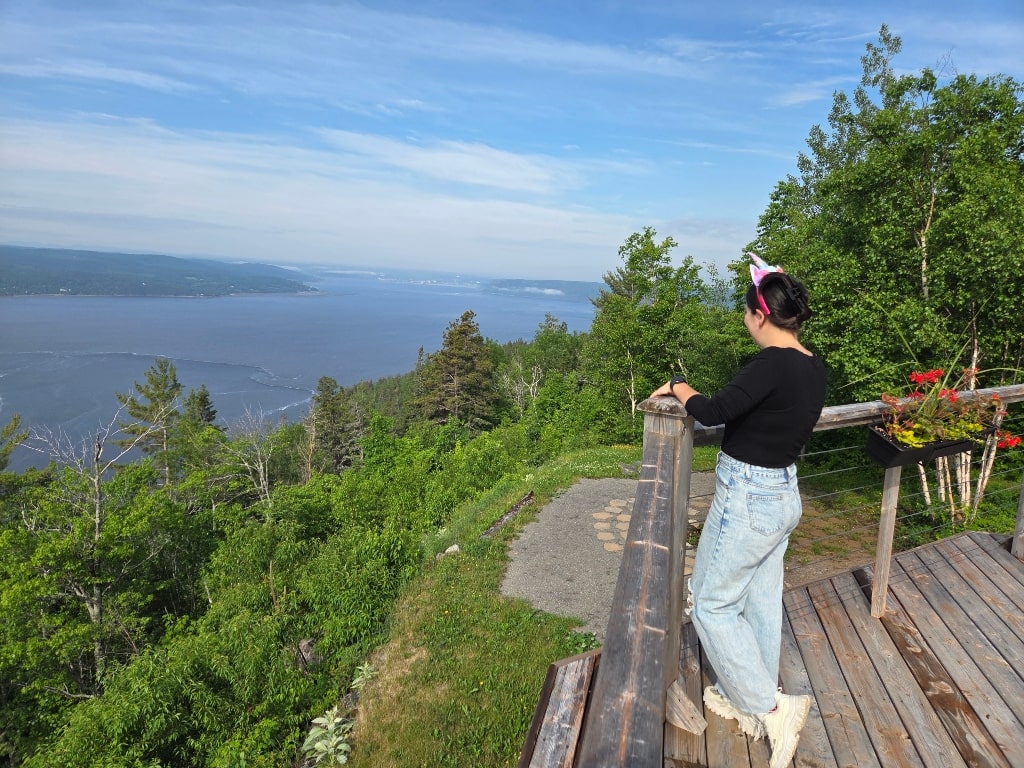
Carved by ancient glaciers over 10,000 years ago, the Saguenay Fjord is one of the most spectacular natural features in all of Québec.
It is one of the only navigable fjords in North America and one of the longest ones in the world.
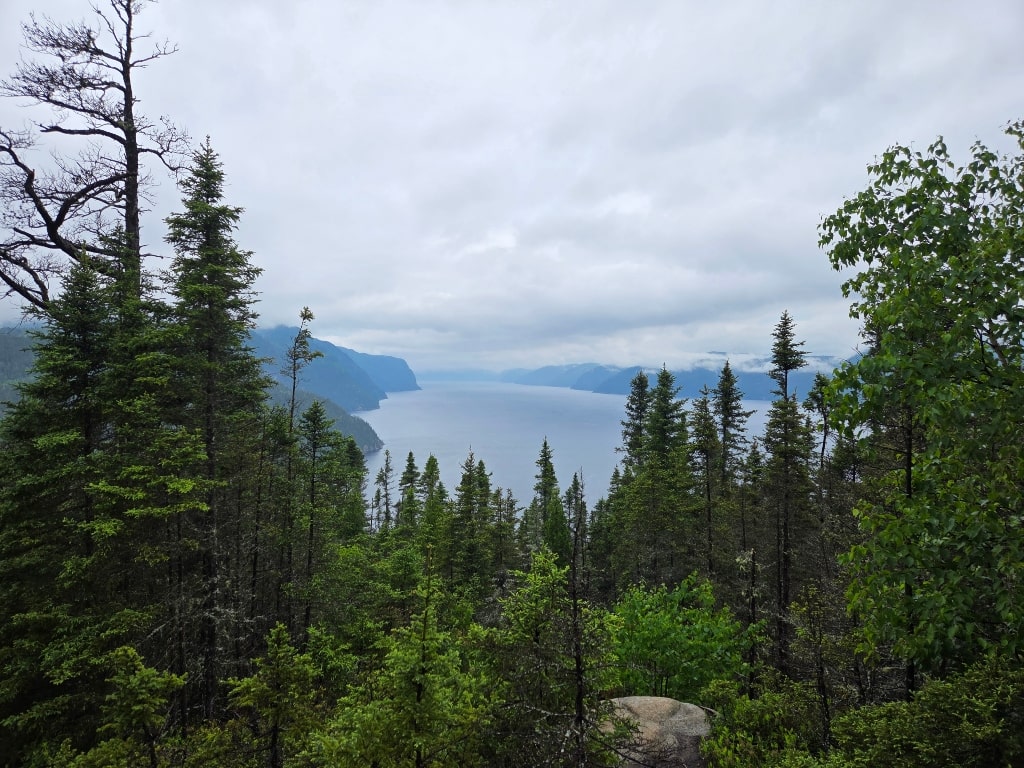
Stretching over 100 km from Saint-Fulgence to Tadoussac, its dramatic cliffs plunge into deep, dark waters, creating an unforgettable landscape that feels almost Nordic.
Whether you’re kayaking along its peaceful shoreline, hiking cliffside trails in Parc National du Fjord-du-Saguenay, or cruising through its waters by boat, the fjord offers countless ways to experience its wild beauty.
Keep your eyes open, you might even spot beluga whales, seals, or peregrine falcons.
Also, there are scenic lookouts like Cap Trinité and Baie-Éternité, which offer panoramic views that are well worth the hike.
The Saguenay Fjord is absolutely stunning; it is definitely worth visiting!
👉 Book your kayaking tour: 15 min Tadoussac: Guided Sea Kayaking Adventure
🎥 Here are some videos from our cruise with Navettes Maritimes du Fjord.
On The Water
Island
Statue Of Our Lady Of Saguenay
2. Blueberries, Blueberries And More Blueberries
Saguenay-Lac-Saint-Jean is famous for its wild blueberries.
And once you arrive in the region, especially in late July and August, you’ll quickly understand why.
The region produces around 23 million kg of wild berries each summer.
We tried some of the delicious products that Délices du Lac Saint-Jean had, and they were amazing!
Délices du Lac Saint Jean is a family-run Economusée that celebrates the region’s iconic wild blueberry through small-batch production of jams, jellies, syrups, chutneys, and pies.
Also, check out Festival du Bleuet in Dolbeau-Mistassini, where you can enjoy concerts, parades, blueberry-inspired treats, and family-friendly fun.
Whether you’re a foodie or just looking for a delicious taste of the region, indulging in Saguenay-Lac-Saint-Jean’s blueberries is an essential part of the experience.

3. Authentic Québécois Culture
While cities like Montréal and Québec City showcase urban Québecois life, this region offers a more genuine, down-to-earth experience.
At the Saguenay-Lac-Saint-Jean region of Quebec, traditions are alive, community is strong, and local pride runs deep.
Traditional music, often played with fiddles, fills the air at community gatherings and local festivals.
Also, the region is known for its rich storytelling heritage, passed down through generations.
One of the best ways to experience the culture is through its culinary traditions.
Think hearty dishes like tourtière du Lac-Saint-Jean (a deep meat pie unique to the region), cretons, pea soup, and, of course, anything made with local blueberries.
Don’t miss the chance to explore local heritage villages, artisan shops, and small museums.
There, you’ll gain insight into the daily life of early settlers, Indigenous communities, and the unique identity that defines the region.
4. Indigenous Heritage at Mashteuiatsh
Located on the western shore of Lac-Saint-Jean, the community of Mashteuiatsh is the only Indigenous reserve in the region.
It is home to the Pekuakamiulnuatsh First Nation, a branch of the Innu people.
This is a powerful place to connect with thousands of years of Indigenous history, culture, and tradition.
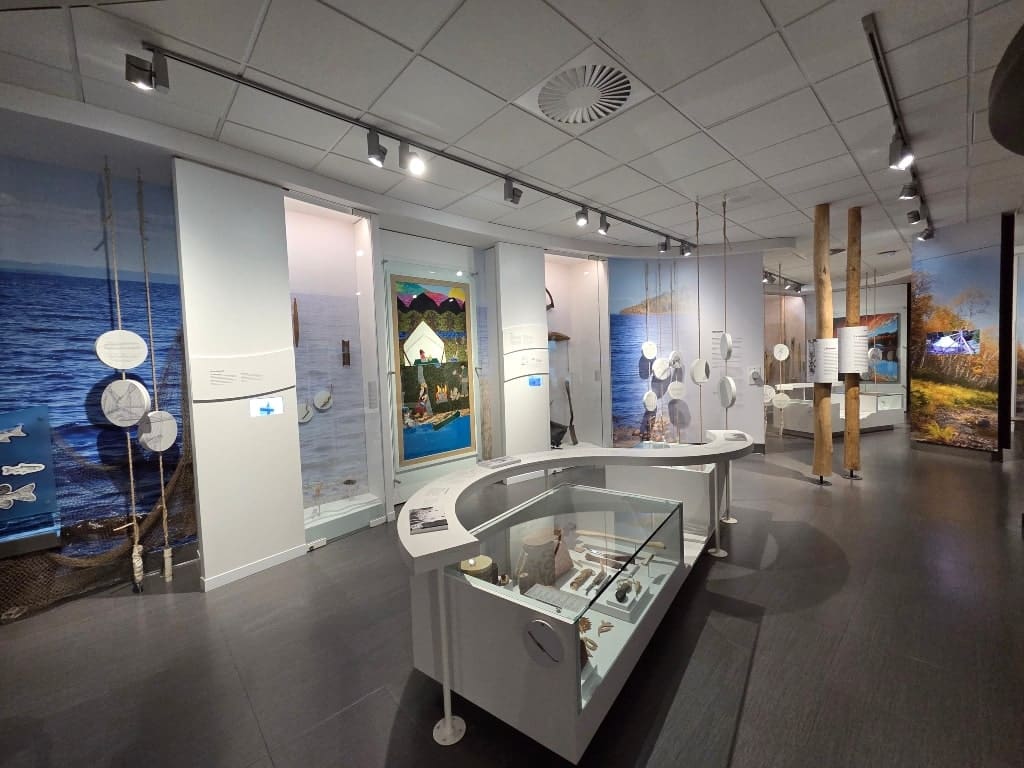
The heart of the cultural experience is the Musée amérindien de Mashteuiatsh (Mashteuiatsh Indigenous Museum).
It offers immersive exhibits, artifacts, and multimedia presentations that explore the Innu way of life, both past and present.
Also, you can take part in workshops and guided tours that may include Innu storytelling, drumming and song, craft-making, and tastings of traditional foods like bannock or wild game.
The community frequently hosts cultural events that are open to the public and offer a respectful way to witness living Indigenous traditions.
We visited the museum and had a traditional dinner with the Indigenous community, celebrating the Summer Solstice.
Also, the same day (June 21) is National Indigenous Peoples Day in Canada, and we had the opportunity to celebrate with them.
🎥 Here are some videos from Musée amérindien de Mashteuiatsh.
Le Musée ilnu de Mashteuiatsh Indigenous Museum Part 1
Le Musée ilnu de Mashteuiatsh Indigenous Museum Part 3
5. Peaceful and Uncrowded
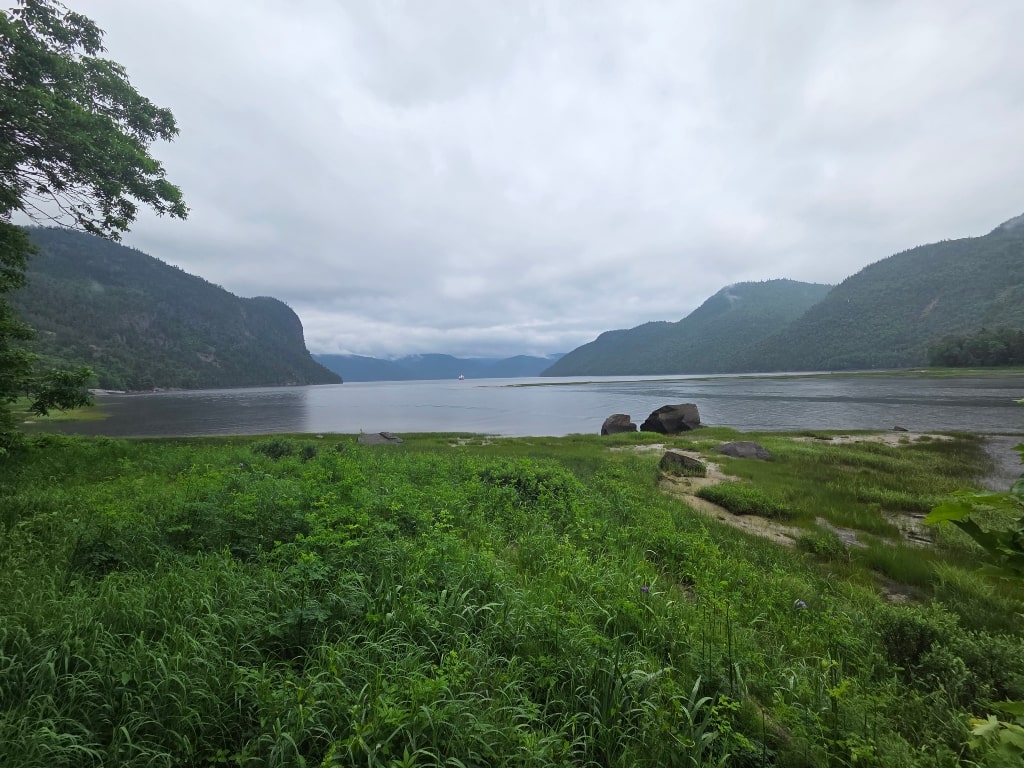
One of the most refreshing things about visiting Saguenay-Lac-Saint-Jean is the sense of tranquility that surrounds you.
Unlike more tourist-saturated destinations in Québec, this region feels like a hidden gem.
Offering space to breathe, explore, and truly connect with nature, without fighting through crowds or long lines.
Whether you’re hiking a cliffside trail in Parc National du Fjord-du-Saguenay or cycling the quiet paths of the Véloroute des Bleuets you’ll quickly realize that here, time slows down.
Here, there’s no rush, no stress, and no pressure to “do it all.”
Even in high season, many places feel pleasantly uncrowded. Making it ideal for travelers looking to disconnect from the busy city life and recharge in nature.
This calm atmosphere allows for more authentic interactions and a deeper appreciation of the landscapes and cultures that define the region.
6. Delicious Local Cuisine
If you’re a foodie, or even just someone who appreciates a good, hearty meal, Saguenay-Lac-Saint-Jean is the perfect place for you.
The region’s cuisine is deeply rooted in traditional Québécois recipes and enhanced by fresh local ingredients.
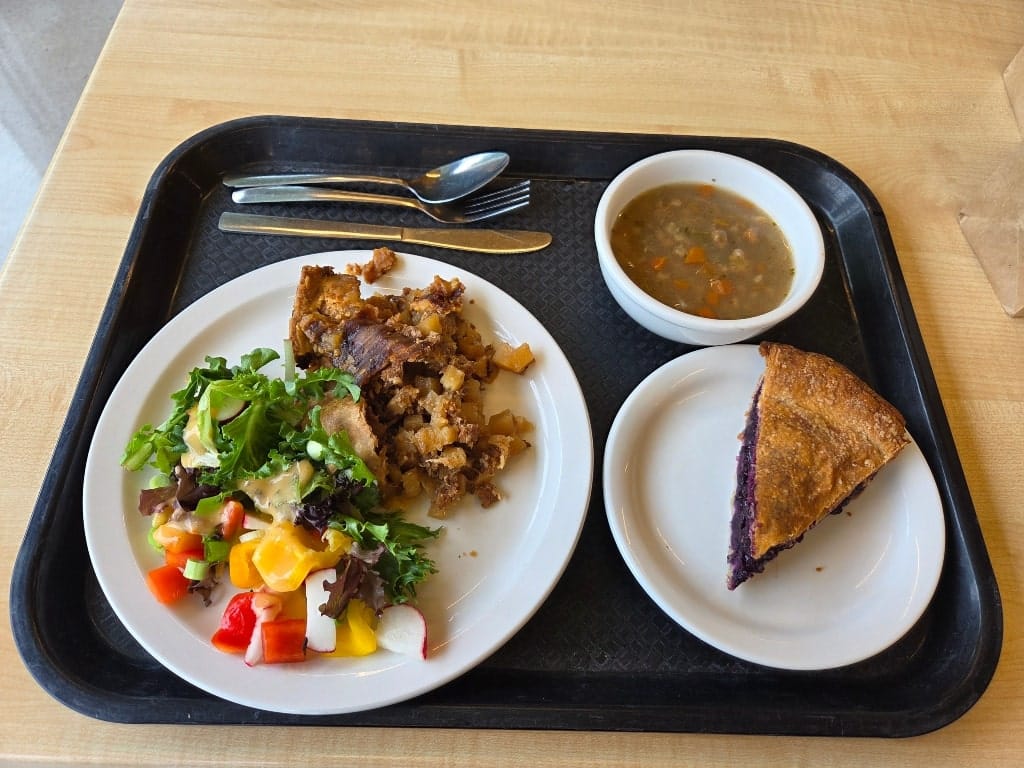
One of the region’s most iconic dishes is Tourtière du Lac-Saint-Jean. It is a rich, slow-cooked meat pie made with game meats or pork, cubed potatoes, and spices, all baked in a deep crust.
Unlike the more common tourtières found elsewhere in Québec, this version is denser, more flavorful, and baked for hours.
Also, you’ll find plenty of comforting classics like cretons (a pork spread often eaten at breakfast), pea soup, pouding chômeur (a warm maple syrup cake), etc.
And of course, you can’t leave without sampling something made from blueberries. Whether it’s jam, pie, or even blueberry beer from local microbreweries.
Check out microbreweries like Le Saint Fut Microbrewery or La Chasse-Pinte.
Restaurants and cafés in the area often spotlight farm-to-table ingredients, supporting local producers and offering seasonal menus.
7. Adventure Sports
Saguenay-Lac-Saint-Jean offers a variety of outdoor activities for those interested in spending time in nature.
The region’s diverse landscape, featuring fjords, forests, rivers, and lakes, creates opportunities for different types of adventure sports throughout the year.
In the summer, visitors can kayak on the Saguenay Fjord, hike scenic trails, or bike routes like the Véloroute des Bleuets.
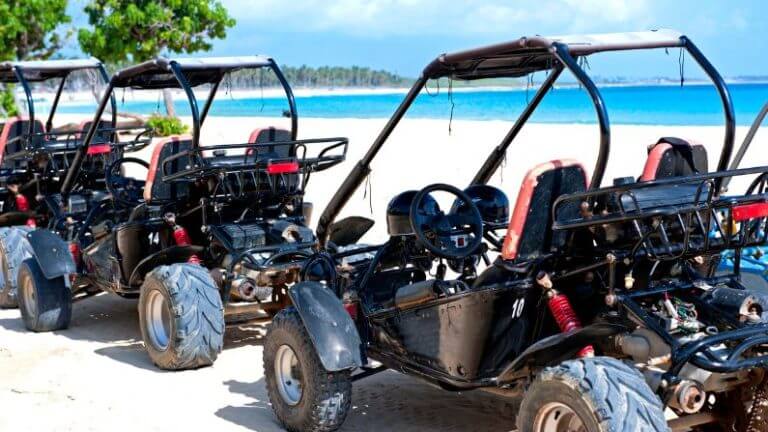
We biked a portion of the trail using e-bikes provided by Equinox Aventure (see below), and it was amazing.
Also, there are options for ziplining, rock climbing, and via ferrata in select areas.
When winter arrives, you can enjoy snowshoeing, cross-country skiing, and snowmobiling. Fat biking and ice fishing are also available in some parts of the region.
A great place to do some adventurous activities is Parc Aventures Cap Jaseux.
It’s located in Saint-Fulgence on the shores of the stunning Saguenay Fjord and offers a wide range of outdoor activities.
Including treetop obstacle courses for all ages, via ferrata route overlooking the fjord, scenic hiking trails, and kayaking.
Also, they offer wild mushroom picking experiences, massages on the beach, seaplane flights, etc.
🎥 Here are some videos from Parc Aventures Cap Jaseux.
Camouflage Suspended Sphere
Waterfront

8. Picturesque Villages
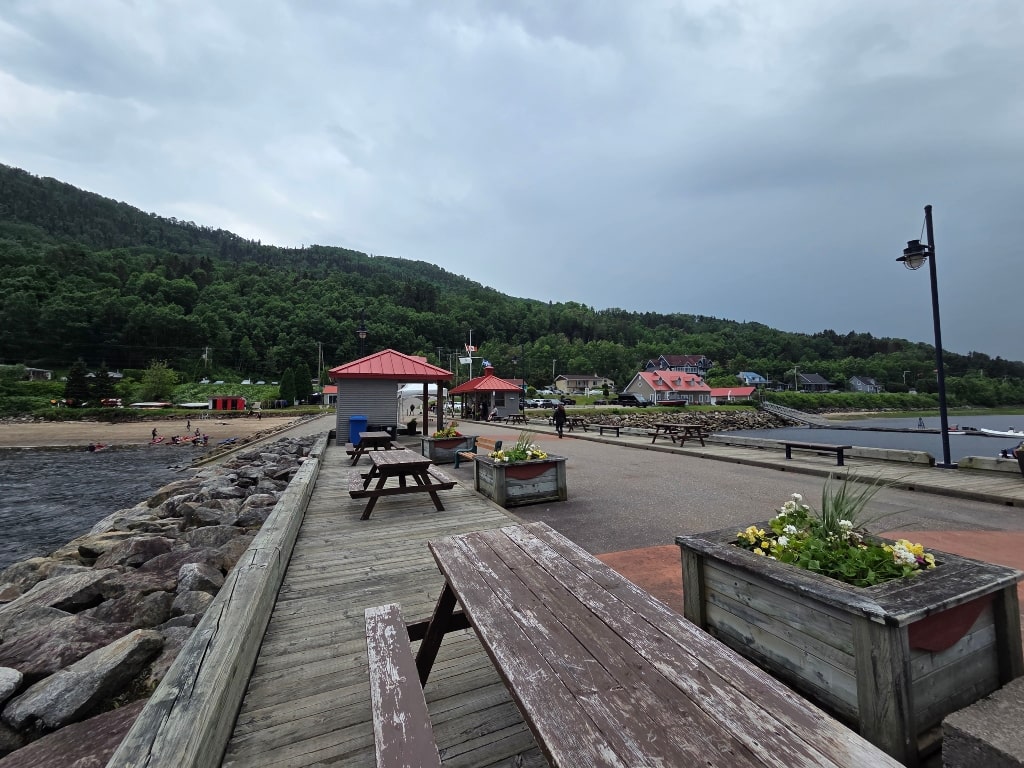
Saguenay-Lac-Saint-Jean features many small towns that reflect the region’s rural character, quiet pace, and scenic surroundings.
These villages tend to have modest architecture, such as marinas, family-run shops, and heritage venues, but they make up for it with authentic charm and cultural importance.
Sainte‑Rose‑du‑Nord, known as the “Pearl of the Fjord,” offers peaceful waterfront views, local cafés, and a restful atmosphere ideal for a relaxing stop.
Also, don’t miss the iconic Val‑Jalbert, located on the western shore of Lac-Saint‑Jean.
It is a historic “ghost” company town founded in 1901 around a pulp mill built by Damase Jalbert.
The village featured amenities that were ahead of its era: electricity, indoor plumbing, and sewer systems.
But when the mill closed in 1927, the town was abandoned.
Rediscovered in the 1960s, Val‑Jalbert has since been transformed into an open-air historic site that feels like a living museum.
About 40 original buildings remain, including the convent school, general store, post office, and mill.
A highlight is the cable car and glass viewing platform overlooking the 72 m / 236 ft Ouiatchouan Falls.
Also, at Val-Jarbert, you will find immersive shows in the mill, interactive exhibits, and costumed characters who bring the 1920s village back to life.
You can even stay overnight in renovated company houses. Enjoying the sense of stepping back into a different era without totally disconnecting from comfort.
🎥 Here are some videos that I took while visiting Val-Jalbert.
Ouiatchouan Falls
Ouiatchouan Falls At Night
Restaurant Du Moulin
There are more videos on my YouTube channel

9. Wildlife Encounters
Saguenay-Lac-Saint-Jean offers several opportunities to observe wildlife in their natural habitats, thanks to its large protected areas, forests, and waterways.
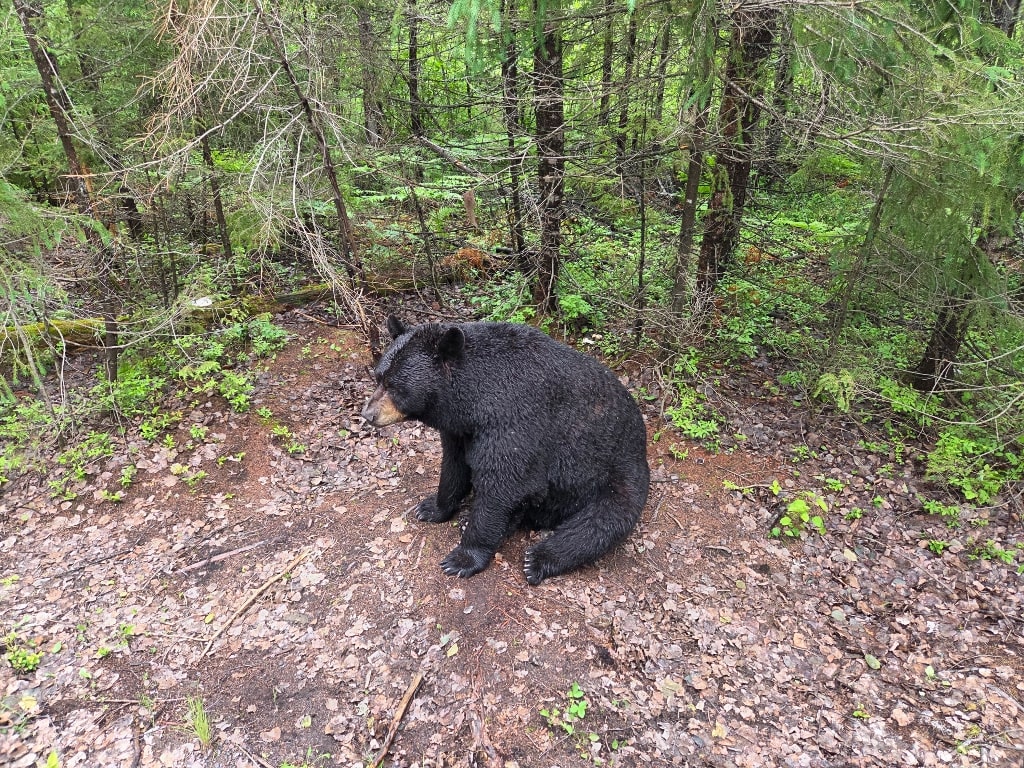
The region is home to a variety of species, including moose, black bears, foxes, beavers, and white-tailed deer.
Also, birdwatchers can spot species such as loons, owls, and peregrine falcons, especially in the more remote or elevated areas near the fjord.
Marine life can sometimes be observed in and around the Saguenay-St. Lawrence Marine Park.
Where beluga whales, seals, and other marine mammals may appear, particularly during the summer months.
For those who want a more structured experience, places like the Zoo Sauvage de Saint-Félicien offer a well-maintained setting where animals native to the boreal forest roam in expansive, natural enclosures.
A guided train ride through the park allows visitors to safely view animals such as wolves, caribou, musk oxen, and black bears in an environment that aims to simulate their natural ecosystems.
Learning about these beautiful animals was a great experience, and it was clear that the staff are dedicated to their care and well-being.
Many of the animals at the zoo were rescued and now live there as part of ongoing conservation and rehabilitation initiatives.
👉 Get your admission ticket here: Saint Felicien: Admission to Zoo Sauvage
🎥 Here are some videos that I took while visiting the Zoo Sauvage de Saint-Félicien.
White Tail Deer
Prairie Dogs
Cougars
There are more videos on my YouTube channel
10. Road Trip Paradise
Saguenay-Lac-Saint-Jean is well-suited for a road trip. Offering a mix of scenic routes, small towns, and natural landscapes that can be explored comfortably by car.
The region is large but manageable, and the roads are generally in good condition. Making it easy to create a flexible itinerary that fits your pace and interests.
One of the most popular routes is the Tour du Lac-Saint-Jean. It is a loop around the lake that passes through several charming villages, sandy beaches, and farmlands.
This drive provides a good mix of viewpoints, local restaurants, and cultural stops.
The drive through the Saguenay Fjord area is also notable, offering elevated views of cliffs and water, especially near Sainte-Rose-du-Nord and Baie-Éternité.
Road-tripping in this region allows for easy access to key attractions.
Such as Parc National du Fjord-du-Saguenay, Val-Jalbert, and Zoo Sauvage de Saint-Félicien.
As well as countless lookouts, picnic spots, and hiking trailheads.
Accommodations are spread out, including inns, campgrounds, and lodges, so it’s fairly simple to find overnight options along the way.
11. Local Artisans and Boutiques
Saguenay-Lac-Saint-Jean has a strong tradition of local craftsmanship, and visitors will find a variety of small boutiques, artisan workshops, and local markets scattered throughout the region.
These shops often focus on handmade goods that reflect the natural materials, cultural heritage, and seasonal resources of the area.
Common items include blueberry-based products like jams, syrups, and baked goods. As well as handmade soaps, wood carvings, textiles, pottery, and Innu crafts.
Many artisans are open to chatting about their process, and some even offer short demonstrations or tours of their workshops.
You might come across local cheese makers, microbreweries, or family-owned bakeries offering goods you won’t easily find outside the region.
While the boutiques are generally small-scale and low-key, they offer an easy way to support the local economy while bringing home something unique and regionally meaningful.

12. Friendly Locals
One of the things many visitors notice about Saguenay-Lac-Saint-Jean is the genuine warmth and hospitality of the people who live there.
Locals tend to be welcoming, down-to-earth, and proud of their region, often happy to share recommendations or strike up a casual conversation.
While French is the primary language spoken, many residents, especially those working in tourism, will do their best to communicate in English if needed.
Also, they generally appreciate any effort to speak a few words in French.
The laid-back pace of life in the region also contributes to a sense of openness and approachability.
Whether you’re checking into a small inn, stopping at a roadside café, or asking for directions in a village, the overall vibe is friendly and respectful.
Travelers who enjoy connecting with the people behind the places they visit will likely find their interactions here to be a meaningful part of the experience.
🦄 Related Quebec blog posts:
Is Quebec City A Walkable City? + Most Walkable Neighbourhoods
Is There Uber In Quebec City
How Safe Is Québec City For Tourists?
Top 15 FREE Things To Do In Quebec City
13 Fun Things To Do In Quebec City For Adults
Why Is Quebec City So Famous? 10 Reasons Why You Need To Visit
12 Mistakes Visitors Make When Visiting Quebec City + Tips On How To Avoid Them
Conclusion: What Is Saguenay-Lac-Saint-Jean Known For? 12 Reasons Why You Need To Visit
Saguenay-Lac-Saint-Jean may not be the first place that comes to mind when planning a trip to Québec, but that’s exactly what makes it so special.
From its dramatic fjord and peaceful lakeshores to its rich Indigenous history, authentic cuisine, and welcoming communities, this region offers a travel experience that’s both memorable and refreshingly low-key.
Whether you’re looking to explore the outdoors, dive into local culture, or simply enjoy a slower pace surrounded by natural beauty, Saguenay-Lac-Saint-Jean delivers in quiet but impactful ways.
So if you’re ready to go beyond the typical tourist trail and discover one of Québec’s most underrated regions, consider this your sign—it’s time to add Saguenay-Lac-Saint-Jean to your travel list.