10 Things To Know Before Going To Ottawa



Planning A Trip To Ottawa And Wondering What You Need To Know Before You Go? Keep Reading To Find Out!
So what are the main things to know before going to Ottawa?
Ottawa is one of the most charming and historic destinations in Canada.
From grand government buildings and world-class museums to scenic riverside paths and cute neighbourhoods, Ottawa offer a ton of activities.
However, before you go, there are a few things that can make your visit even smoother.
Whether it’s understanding the weather, tipping etiquette, or the safety of the capital.
In this guide, I’m sharing 10 essential things to know before going to Ottawa so you can plan smarter, avoid surprises, and make the most of your time in the nation’s capital.
Whether you’re visiting for a weekend getaway, a festival, or a full Canadian adventure, here’s everything you should know before you go.
Recommended Resources:
✈️ Cheapest Flights
🏢 Hotels
🚵🏼♀️ Tours
🚘 Car Rental
🩹 Travel Insurance
💧 Water Bottle
Things To Know Before Going To Ottawa
Let’s dive into what to know before going on a trip to Ottawa.
1. It’s Canada’s Capital (Not Toronto!)
Something many first-time visitors don’t realize is that Ottawa is Canada’s capital, not Toronto.
That gives the city a unique blend of history, politics, and culture that sets it apart from Toronto or Montreal.
It was chosen by Queen Victoria in 1857 because of its strategic location between English-speaking Ontario and French-speaking Québec.
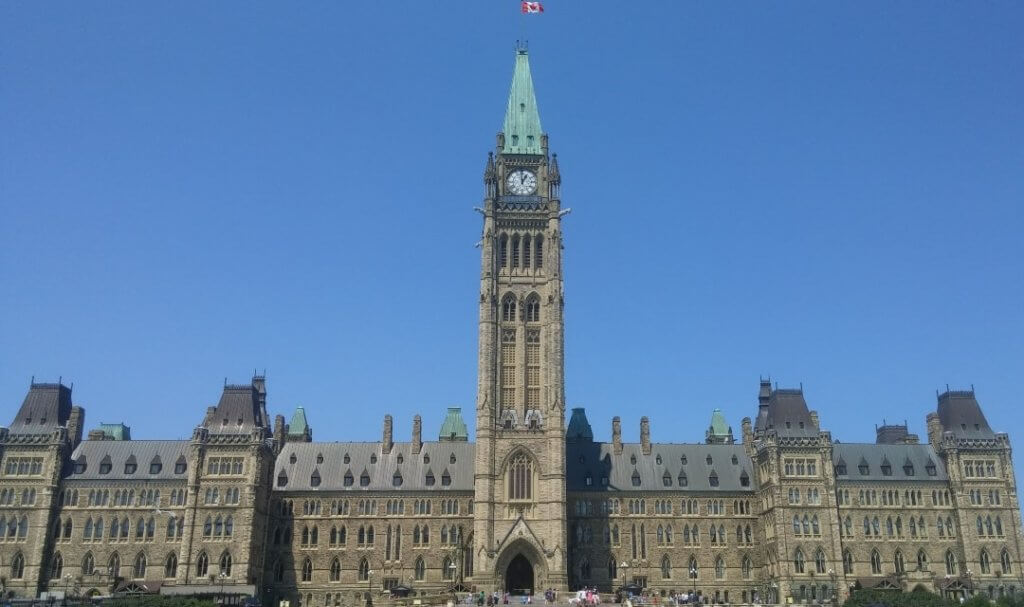
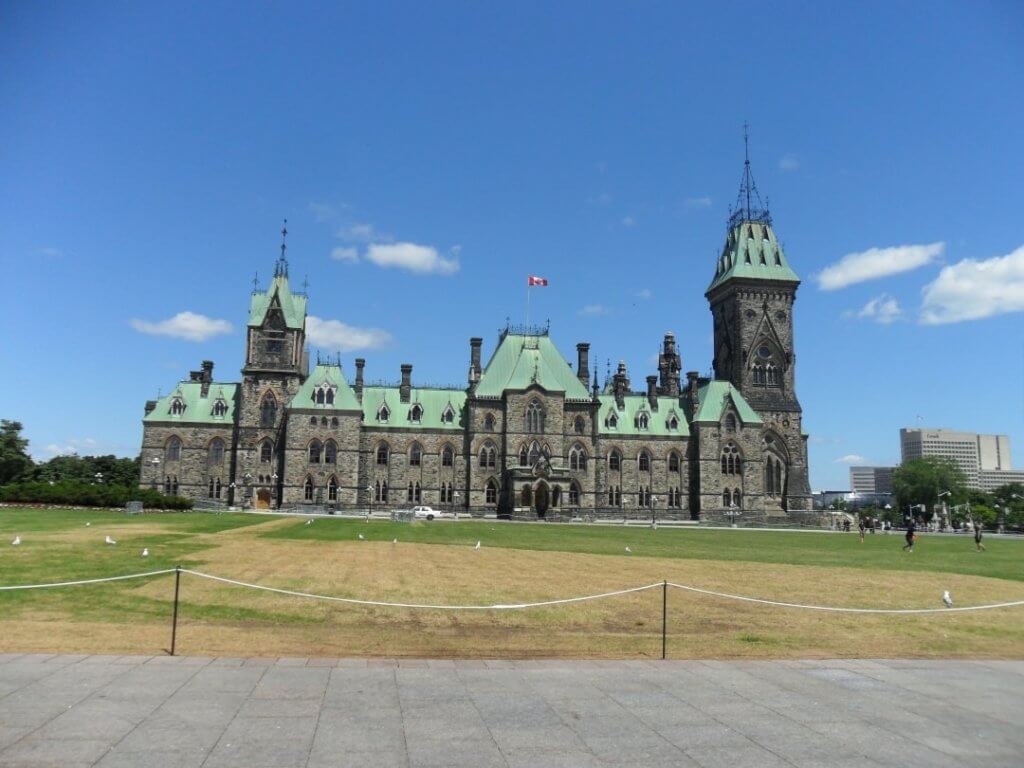
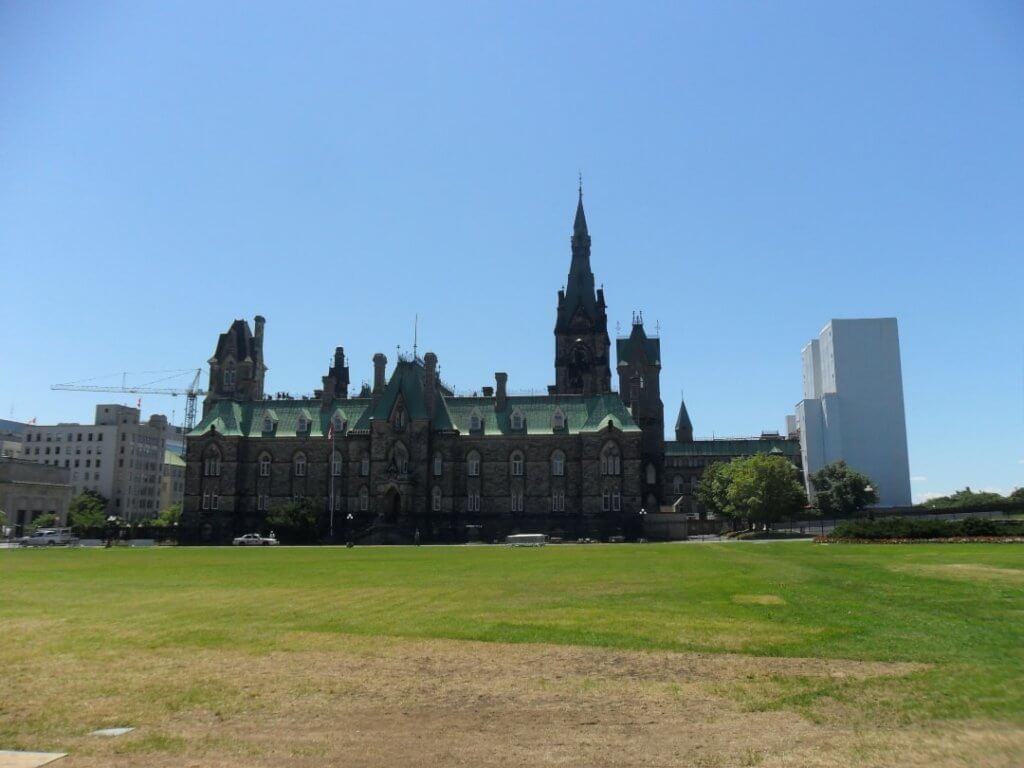
Ottawa remains the political heart of the country, home to Parliament Hill and countless government buildings and embassies.
For travelers, this means access to Canada’s top national museums, free Parliament tours, impressive architecture, and major events like the Changing of the Guard and Canada Day celebrations.
Also, it means the downtown core can feel calm and organized, with occasional road closures or increased security during political events or state visits.
Although Toronto is much larger and more widely known, it’s not the capital—Ottawa holds that title.
🎥 Here are some videos from Changing of the Guards:
Changing of the Guards – Parliament Hill, Ottawa 2017 Part 1
Changing of the Guards – Parliament Hill, Ottawa 2017 Part 2
and, Changing of the Guards – Parliament Hill, Ottawa 2017 Part 3
2. It’s a Very Walkable City
Ottawa is an incredibly walkable city, especially around its main attractions.
Making it easy to explore without needing a car or complicated transit routes.
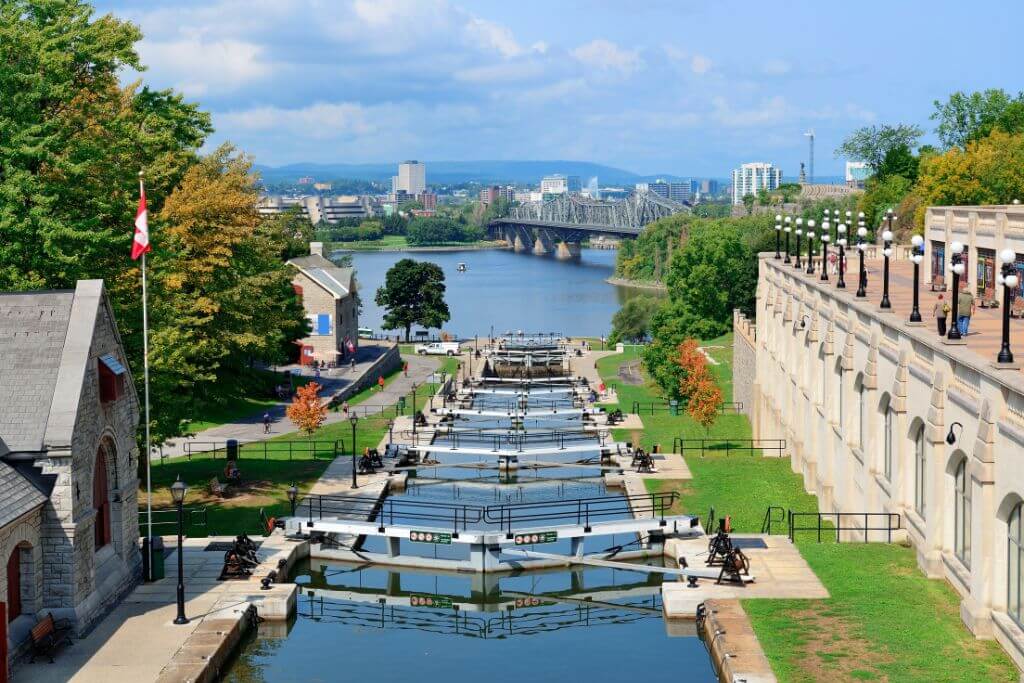
The downtown core is compact, with Parliament Hill, the Rideau Canal, the ByWard Market, and major museums all within comfortable walking distance of one another.
Scenic pedestrian-friendly paths run along the Ottawa River and the canal, offering beautiful views and easy access between neighbourhoods.
Even crossing into Gatineau, Québec, is walkable via the Alexandra Bridge, which drops you right at the Canadian Museum of History.
While winters can be icy and require good boots, spring through fall is ideal for exploring on foot and discovering markets and historic sites along the way.
Ottawa’s layout, scenery, and well-connected pedestrian routes make it one of Canada’s easiest and most enjoyable cities to explore on foot.
👉 Suggested Ottawa tours:
Ottawa Food Tour with ByWard Market Flavors & 6 Local Tastings
Ottawa Boat Cruise – Rideau Canal Cruise
Gatineau: Canadian Museum of History Admission
3. Bilingual Everywhere
Ottawa is bilingual, and you’ll notice it the moment you arrive.
English and French are used side by side in everyday life, making the city feel culturally rich and uniquely Canadian.
Because Ottawa sits right on the border with Québec, it naturally blends both languages.
This shows up in everything from street signs and museum exhibits to restaurant menus and public transit announcements.
Most locals speak English, but many are bilingual or use French regularly, especially in government buildings, cultural institutions, and businesses.
Even if you don’t speak French, you’ll have no trouble communicating, as service staff and tourism workers almost always switch seamlessly to English.
If you cross the river into Gatineau, you’ll notice the shift even more, with French becoming the dominant language.
Ottawa’s bilingual atmosphere adds a welcoming, multicultural feel to the city.
Also, it makes a great destination for anyone interested in Canada’s linguistic and cultural diversity.
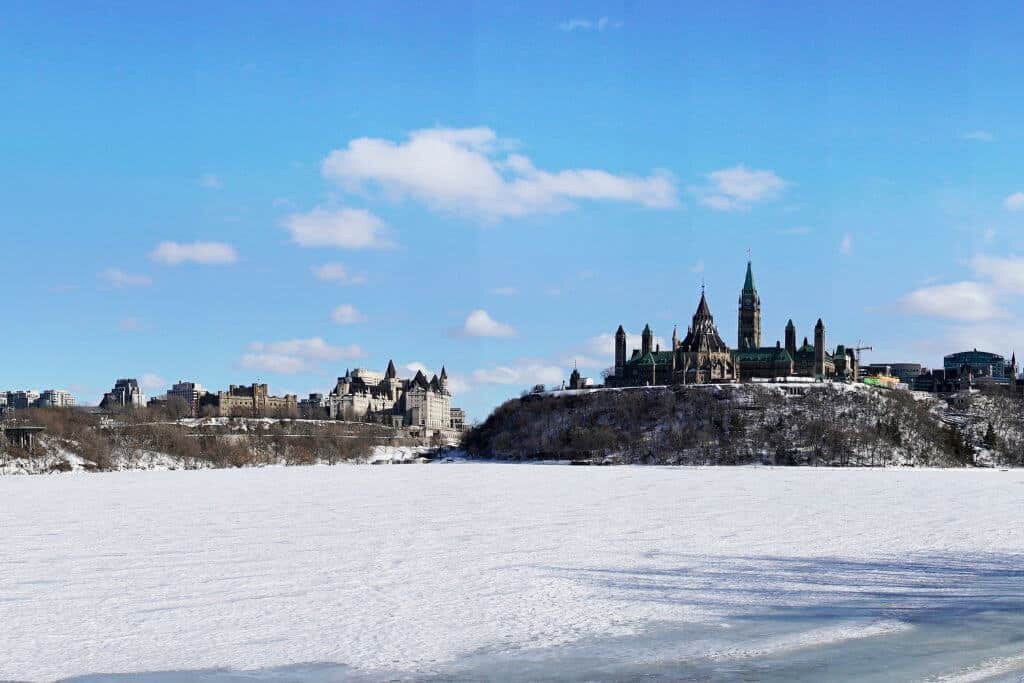
4. Winter Is Cold Like Really Cold
Winter in Ottawa is no joke!!
The temperatures regularly dip well below freezing.
Also, the city often experiences long stretches of snow, ice, and wind that can make it feel even colder than the forecast suggests.
From December to early March, daytime temperatures commonly range from –10°C to –20°C, and wind chills can push it closer to –30°C on the coldest days.
Snowstorms and freezing rain are also part of the winter experience.
Therefore, packing proper winter gear isn’t optional—it’s essential.
Think insulated boots with good traction, a heavy winter coat, thermal layers, gloves, a scarf, and a warm hat.
Despite the harsh conditions, Ottawa actually becomes incredibly beautiful in winter.
With the Rideau Canal turning into the world’s largest skating rink, snow-covered parks, and festive lights throughout downtown.
5. Ottawa Is Very Safe
Ottawa is considered one of the safest cities in Canada.
It offers travelers a calm, comfortable environment, whether you’re exploring during the day or walking around at night.
Crime rates here are consistently lower than in larger Canadian cities like Toronto, Vancouver, or Montreal.
Also, most neighbourhoods, especially the downtown core, ByWard Market, and tourist areas, are well-patrolled and well-lit.
The city’s large government presence also contributes to a strong sense of order and security, with visible police around Parliament Hill and other major landmarks.
That said, like any urban area, small issues can happen, such as occasional petty theft or late-night rowdiness in the nightlife zones.
Therefore, basic precautions, like keeping an eye on your bag and staying aware of your surroundings, still apply.
Public transit and rideshares are generally very safe to use, even in the evenings.
In addition, solo female travelers often report feeling comfortable navigating the city on their own.
6. Public Transit Is Good but Not Perfect
Ottawa’s public transit system, run by OC Transpo, makes it fairly easy to get around.
However, it’s not flawless, so managing expectations will help your trip run smoothly.
The network includes buses and the O-Train (a light rail system).
They connect major areas like downtown, the airport, universities, and some suburban neighbourhoods.
For popular visitor spots such as Parliament Hill, ByWard Market, and major museums, transit is convenient and frequent during the day.
However, service can be slower or less reliable during evenings, weekends, and winter storms, when delays and schedule gaps are more common.
The O-Train in particular has faced occasional service interruptions or reduced routes due to maintenance.
Therefore, it’s a good idea to check updates before heading out.
If you’re planning to explore areas outside the core or hop across the river to Gatineau, rideshares or taxis can also be useful.
7. Tipping and Sales Tax
When visiting Ottawa, it’s important to remember that tipping and sales tax are standard parts of Canadian travel, and budgeting for them can save you surprises.
Most restaurants expect a tip of 15–20% of the pre-tax bill, depending on the quality of service.
Also, this applies to bars, cafés with table service, and even food delivery.
Taxi drivers, rideshares, and other service providers also usually expect a tip.
On top of that, all purchases are subject to HST (Harmonized Sales Tax), currently 13% in Ontario.
Which is added at checkout, so advertised prices on menus or in stores don’t include tax.
It’s a good idea to keep this in mind when planning meals, souvenirs, or transit costs, as the total can be noticeably higher than the listed price.
Understanding tipping etiquette and sales tax ahead of time will make your financial planning smoother and help you navigate Ottawa like a local.

8. The City Shuts Down Early Compared to Toronto or Montreal
Ottawa has a noticeably quieter vibe in the evenings.
Many visitors are surprised by how early shops, cafés, and even some restaurants close compared to larger Canadian cities like Toronto or Montreal.
While downtown areas such as ByWard Market and Elgin Street offer nightlife, bars, and late-night dining, much of the city winds down earlier, especially outside the core.
Many local businesses close by 6 or 7 p.m., and even popular restaurants may stop seating guests earlier on weeknights.
The city’s strong government and office-worker culture means that much of the daytime energy fades after work hours.
Also, public transit runs less frequently in the evenings, adding to the sense that the city settles down early.
For travelers, this means planning your evenings ahead.
Book dinner reservations, check closing times, and don’t expect the same late-night buzz you’d find in Toronto’s Entertainment District or Montreal’s nightlife scene.
9. It’s One of Canada’s Best Cities for Biking
Ottawa is widely considered one of Canada’s most bike-friendly cities.
That is thanks to its extensive network of cycling paths, scenic waterfront routes, and well-marked bike lanes that make exploring the city on two wheels both easy and enjoyable.
The capital has over 800 km of multi-use pathways, many of which follow the Rideau Canal, the Ottawa River, and the Greenbelt.
Popular routes are the Rideau Canal Pathway, the Ottawa River Pathway, and the Voyageurs Pathway.
They make it simple to bike between major attractions, parks, and neighbourhoods without dealing with heavy traffic.
Bike rentals, e-scooters, and e-bike share programs are widely available downtown, so you don’t need to bring your own gear.
With its flat terrain, beautiful scenery, and strong cycling infrastructure, Ottawa is an ideal city for both casual riders and seasoned cyclists looking for fun, convenient, and sustainable ways to explore.
👉 Book your Ottawa bike tour tickets: Guided Bike Tour through Ottawa and Gatineau

10. Hotels and parking in downtown Ottawa is expensive
Hotels and parking in downtown Ottawa can be surprisingly expensive. Therefore, it’s worth planning ahead if you’re traveling on a budget.
The city hosts government travel, conferences, and year-round festivals.
Therefore, hotel rates in the downtown core, especially near Parliament Hill and the ByWard Market, tend to be higher.
During busy periods, prices can spike quickly, and affordable rooms book up fast.
On top of that, parking is limited and often pricey, with many hotels charging additional fees for overnight parking and street spots offering short time limits or strict restrictions.
Public parking garages are usually the most reliable option, but they can still add a significant cost to your trip.
For visitors looking to save money, staying in nearby neighbourhoods like Gatineau, Kanata, or even slightly outside the downtown area can provide better hotel deals and more accessible parking.
This way, you can enjoy the convenience of being close to the city’s attractions without the high downtown costs.

Conclusion: 10 Things To Know Before Going To Ottawa
Visiting Ottawa is an experience that blends history, culture, and natural beauty in a way few other Canadian cities can match.
From its walkable downtown and bilingual charm to its world-class museums, scenic bike paths, and iconic landmarks, Canada’s capital is a stunning destination.
By knowing what to expect, whether it’s the winter cold, early closing hours, or the realities of downtown prices, you’ll be able to plan smarter and enjoy your trip without surprises.
Ottawa may be quieter than Toronto or Montreal, but that’s part of its appeal.
Whether you’re visiting for a quick weekend getaway or a longer adventure, these tips will help you make the most of your time in the nation’s capital.