7 Mistakes Visitors Make When Visiting Toronto + Tips On How To Avoid Them



Are You Visiting Toronto But Worried About Making Some Of The Common Mistakes That Visitors Make? Keep Reading To Find The Best Tips To Avoid Them!
So, what are some common mistakes visitors make when visiting Toronto?
Toronto is a big city with a mix of modern skyscrapers, multicultural neighborhoods, and scenic lake views.
However, as exciting as Toronto is, it’s also easy to make a few rookie mistakes that can affect your experience.
From underestimating how big the city really is to being shocked at just how expensive everything is.
Whether you’re visiting Toronto for the first time or coming back for another adventure, knowing what not to do can make all the difference.
In this guide, I’ll share 7 common mistakes visitors make when visiting Toronto and how to avoid them.
So you can make the most of your time in Canada’s largest city, which, by the way, is where I have been living for the past 20 years.
Recommended Resources:
✈️ Cheapest Flights
🏢 Hotels
🚵🏼♀️ Tours
🚘 Car Rental
🚖 Airport Taxi Transfer
🩹 Travel Insurance
1. Underestimating The Size Of The City
Many travelers underestimate just how massive Toronto truly is.
It covers a huge area of over 630 square kilometers (243 square miles).
It’s a collection of neighborhoods, boroughs, and suburbs that together make up the largest metropolitan area in Canada.
From the bustling streets of downtown to the quiet charm of the Beaches or the cultural mix in Scarborough.
Because of this, getting around can take longer than expected.
What seems like a short distance on the map can easily turn into a lengthy journey, especially during rush hour.
Also, not all of the attractions are in the same place. For instance, the CN Tower and Harbourfront are close together.
However, getting to Casa Loma, High Park, or Scarborough Bluffs requires more planning as they are farther.
Tip: To make the most of your visit, plan your days by geographic area.
Focus on exploring one or two neighborhoods per day rather than crisscrossing the entire city.
Invest in a PRESTO card for easy use of public transit, which is called TTC (Toronto Transit Commission).
This approach not only saves time and money but also lets you experience the true vibe of each area without feeling rushed.
✅ Kensington Market + Chinatown go perfectly together (great for foodies and vintage shopping)
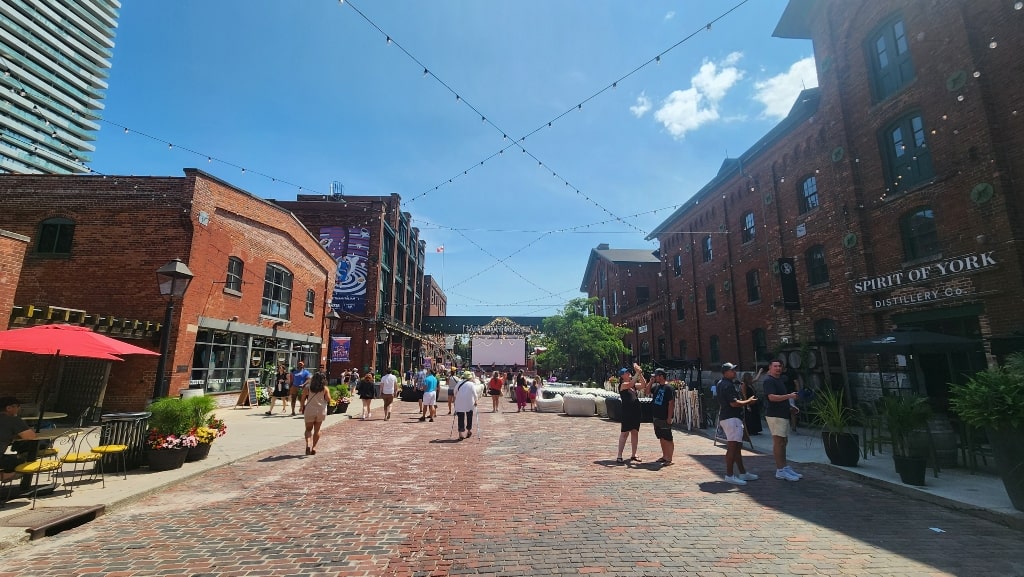
✅ Distillery District + St. Lawrence Market work well in the same day (historic vibes + amazing local food)
✅ Queen West + Graffiti Alley + Trinity Bellwoods Park fit into a laid-back, artsy afternoon
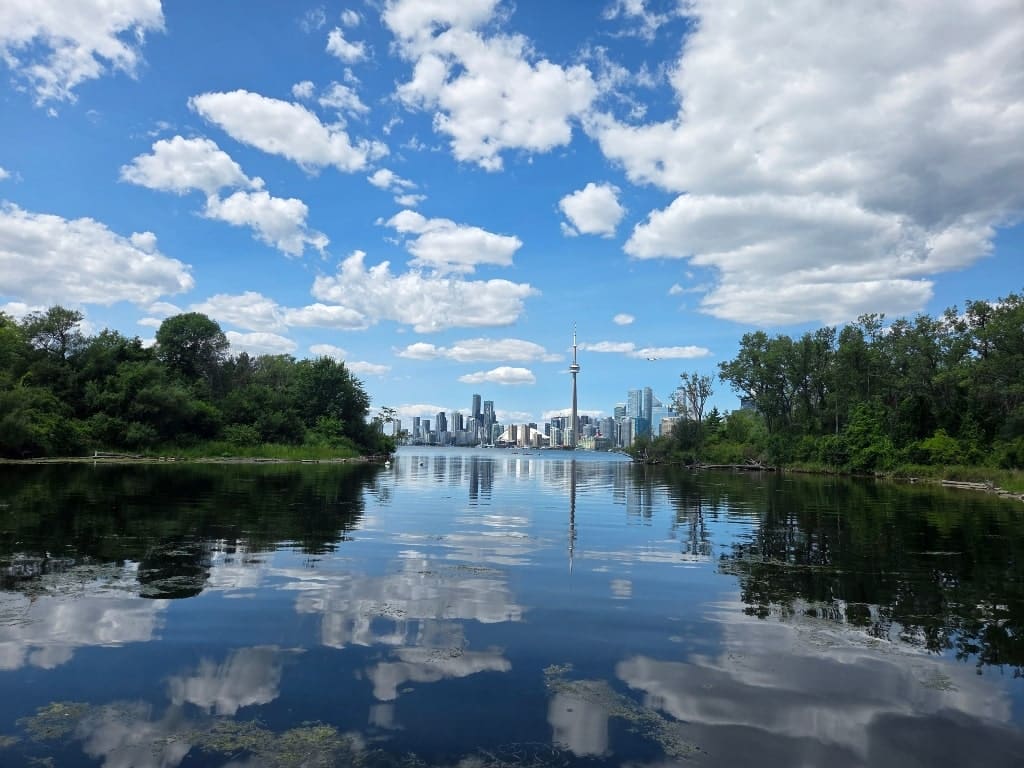
✅ Harbourfront + Ferry to Toronto Islands is a full half-day activity on its own
👉Recommended activities in Toronto:
2-Hour Kensington Market Chinatown Walking Tour
Toronto Distillery District Walking Tour
Segway Tour in the Distillery District
St Lawrence Market Food Tour with 6 Food Tastings
Toronto Street Art and Graffiti Walking Tour
Harbor and Islands Sightseeing Cruise
🎥 Here is a reel I created after doing a Segway Tour: 30-Minute Distillery District Segway Tour in Toronto
2. Thinking You Can See It All In One Weekend
Toronto is one of those cities that might look manageable on paper. However, once you arrive, you quickly realize there’s so much more to see than you expected.
Between world-class attractions, diverse neighborhoods, hidden local gems, and a thriving food and arts scene, trying to see it all in a weekend is nearly impossible.
You might be able to check off a few big names, like the CN Tower, Ripley’s Aquarium, or St. Lawrence Market, but that only scratches the surface of what Toronto has to offer.
Kensington Market has a bohemian energy, the Distillery District is perfect for history and architecture lovers, while Yorkville appeal to high-end shoppers.
Rushing through the city in just two days often leaves visitors feeling overwhelmed and exhausted rather than inspired.
You won’t have time to sit at a café, stroll along the waterfront, or take a ferry to the Toronto Islands.
And if you’re visiting in winter, slower travel due to weather and shorter daylight hours can make packing too much into one weekend even harder.
Tip: Give yourself at least three to four full days to experience Toronto properly.
Spend one day in downtown, two discovering neighborhoods, and one taking the ferry to the Islands.
👉Recommended activities in Toronto:
2-Hour Kensington Market Chinatown Walking Tour
St Lawrence Market Food Tour with 6 Food Tastings
Harbor and Islands Sightseeing Cruise
🦄 If you are looking to check out Toronto as well, here are some helpful blog posts:
10 Best Toronto Hotels By CN Tower
Complete Guide To Visiting Casa Loma, Toronto (From A Local)
12 Fun Activities To Do In Toronto For Adults (From A Local)
Does It Snow In Toronto (From A Local)
How To Get To The Rogers Centre In Toronto (From A Local)?
15 Best Places To Visit In Canada In December
3. Forgetting To Tip
One mistake many international visitors make in Toronto is forgetting that tipping is a standard part of Canadian culture.
Especially in restaurants, bars, salons, and taxis.
If you’re coming from a country where tipping isn’t common, it can feel confusing at first.
However, in Canada (and much of North America), tips make up a significant portion of service workers’ income.
Canada has a 13% sales tax (HST) that’s added at checkout. Therefore, the price you see on a menu or store tag isn’t the final total.
In most restaurants, it’s customary to tip 18–20% of the pre-tax bill, depending on the quality of service.
Most Toronto restaurants will now show suggested tip amounts on payment terminals.
You’ll usually see preset options like 15%, 18%, and 20%.
When you order drinks at a bar, a standard tip is $1–2 per drink. Or around 15-20 % of the total tab if you’re running a bill.
For taxis or rideshares, rounding up or tipping about 10–15% is expected.
Tip: Always factor tipping into your travel budget for Toronto.
Keep a small amount of cash on hand for bellhops, street performers, or quick café visits. However, for most places, you can tip by card.

4. Expecting The TTC To Be Efficient
Many visitors assume that Toronto’s public transit system, the TTC (Toronto Transit Commission), runs as smoothly and efficiently as systems in cities like Tokyo or London.
While the TTC does a decent job of connecting much of the city through subways, streetcars, and buses, it’s not without its frustrations.
Delays, overcrowded trains, and weekend construction detours are common.
Also, the system doesn’t reach every neighborhood efficiently.
Getting from one part of the city to another can take longer than you expect. Especially, if you’re traveling during rush hour or late at night when service slows down.
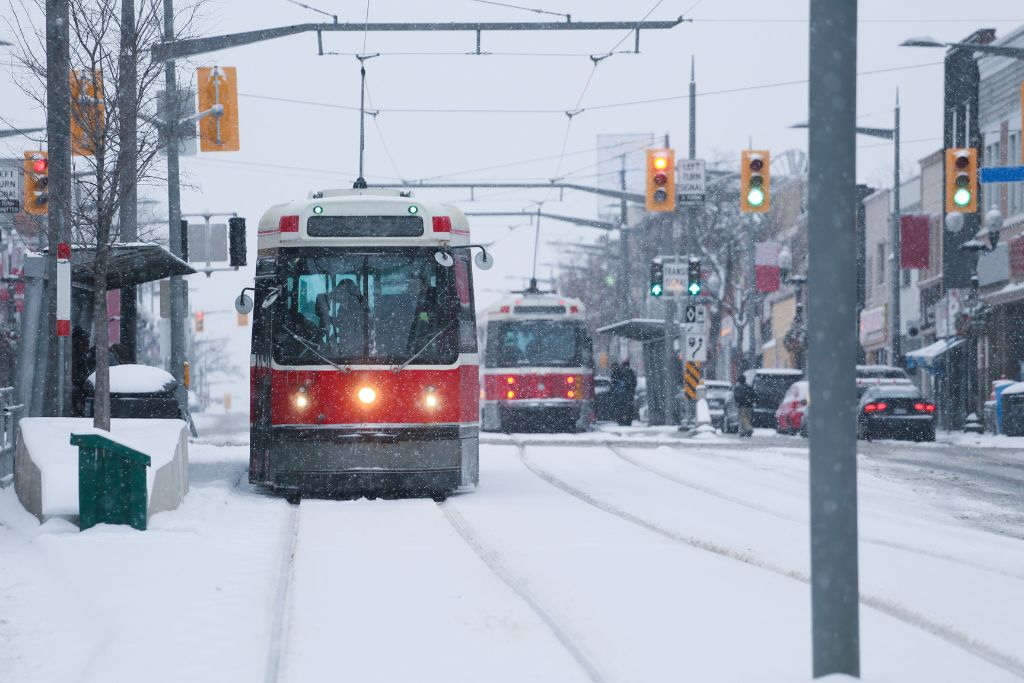
The streetcars are charming but can move at a snail’s pace when traffic is heavy.
Buses often bunch together, leaving long waits followed by several arriving at once.
In addition, the subway only has 3 lines, but only Line 1 (yellow) and Line 2 (green) are useful for tourists.
If you’re staying downtown, you’ll likely use streetcars more than anything or Line 1 (yellow).
Tip: Always budget extra travel time when using the TTC, especially if you have timed reservations or tours.
Download the Transit App for real-time updates on delays and route changes.
You can tap a credit or debit card on newer buses and streetcars. However, not all TTC entrances support it yet.
If you’re staying more than a few days, buy and load a PRESTO card (cheapest fare).
5. Not Realizing How Expensive Toronto Is
Toronto is consistently ranked as one of the most costly cities in North America.
Between accommodation, dining, attractions, and transportation, the costs can add up fast.
Hotel rates in popular areas like downtown or Yorkville can easily exceed $250–$500 per night.
Mid-range restaurants can set you back $25–$40 per person before drinks and tips.
Add in event tickets, parking fees, and transit costs, and your travel budget might stretch thinner than expected.
Even simple things like a coffee or a cocktail can be noticeably pricier than elsewhere in Canada.
Tip: Plan your budget ahead of time and look for money-saving options that don’t sacrifice experience.
Consider staying outside the downtown core. Neighbourhoods like Leslieville, The Junction, or Danforth offer better hotel and Airbnb rates with easy transit access.
Take advantage of free or low-cost attractions like the Toronto Islands or High Park.
Also, grab meals from local markets or food trucks instead of sit-down restaurants every night.
Visiting during the shoulder seasons (spring or fall) can help you score cheaper accommodations and fewer crowds, giving you more value for your trip.
To save money, look into CityPASS or bundled attraction tickets, and check online, as some attractions have free admission days.
👉Recommended activities in Toronto:
Toronto CityPASS®: Save up to 38% at 5 Top Attractions
🦄 If you need more info about Toronto, check out these blog posts:
10 Things To Know Before Going To Toronto (From A Local)
What Language Is Spoken In Toronto?
What Are 10 Interesting Facts About Toronto? (From A Local)
What Are People From Toronto Called?
6. Renting A Car When Staying Downtown
Many visitors make the mistake of renting a car while staying in downtown Toronto, thinking it will make getting around easier.
However, in reality, it usually causes more hassle than convenience.
Toronto’s downtown core is extremely busy, with heavy traffic, one-way streets, and limited parking that’s often expensive and hard to find.
Most attractions in the city center, like the CN Tower, St. Lawrence Market, and Eaton Centre, are easily accessible on foot, by streetcar, or by subway.
If you’re heading somewhere a bit farther, like the ROM (Royal Ontario Museum) or Casa Loma, you can easily hop on the subway.
Driving in Toronto can also be stressful for visitors due to frequent construction, cyclists sharing lanes, and confusing rush-hour restrictions on certain streets.
Add in parking fees that can range from $20–$40 per day, and renting a car quickly becomes more trouble than it’s worth.
Tip: If you’re staying downtown, skip the rental car altogether.
Instead, rely on the TTC, rideshares, or even bike-share services to get around efficiently.
For day trips outside the city, like Niagara Falls or the Scarborough Bluffs, you can rent a car just for that day.
You’ll save money, avoid parking headaches, and enjoy a much more relaxed experience exploring Toronto’s downtown.
👉Recommended activities in Toronto:
Royal Ontario Museum Admission
Casa Loma Entry Ticket
St Lawrence Market Food Tour with 6 Food Tastings
Niagara Falls Guided Day Tour From Toronto with Boat & Tower
Rent a car here: Rentalcars
7. Not Taking Advantage Of Day Trips
While Toronto itself is packed with attractions, culture, and great food, some of Ontario’s most scenic and charming destinations are only a short drive away.
Many travelers stay within the city limits, missing out on the chance to see the region’s natural beauty, small towns, and wine country.
For example, Niagara Falls is just about 1.5 hours away and offers breathtaking views and boat tours.
As well as the charming Niagara-on-the-Lake nearby, known for its wineries and boutique shops.
Hamilton, often called the “City of Waterfalls,” is perfect for nature lovers and hikers.
While Prince Edward County is a dream for foodies and wine enthusiasts with its trendy vineyards and farm-to-table restaurants.
In the summer, heading to Wasaga Beach or Grand Bend makes for a great outdoor escape.
Tip: Set aside at least one day in your itinerary for a side trip outside Toronto.
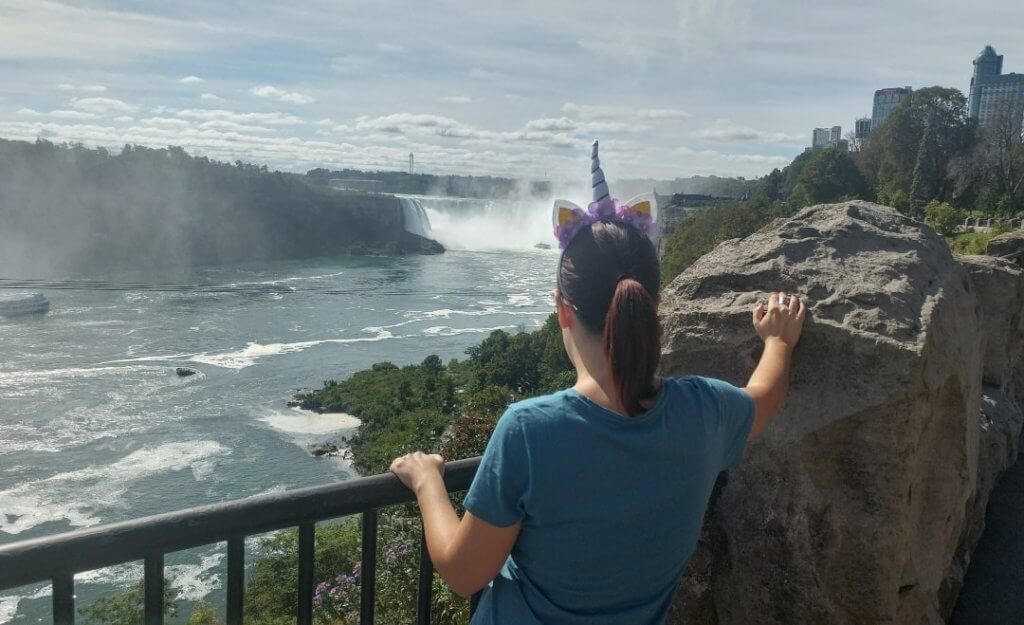
Obviously, the most popular day trip from Toronto is to see the Niagara Falls.
🦄 If you are in Toronto and want to visit Niagara Falls, check out these blog posts:
7 Things To Do In Niagara Falls If It’s Your First Visit
Is Niagara Falls Worth Visiting? Things To Do & Reasons To Visit
Is Tap Water Safe To Drink At The Hotels In Niagara Falls, Canada?
10 Niagara Falls Hotels That Overlook The Falls (Canadian Side)
Why You Should Visit Niagara Falls This Winter
7 Best Niagara Falls Day Tours From Toronto
Conclusion: 7 Mistakes Visitors Make When Visiting Toronto + Tips On How To Avoid Them
Toronto is an incredible city that blends culture, diversity, and urban energy like nowhere else in Canada.
But it’s also a place where a little preparation goes a long way.
By avoiding these common mistakes, you’ll not only save time and money but also experience the city in a more authentic and enjoyable way.
From understanding how big Toronto really is to how much to tip to venturing out on day trips, each choice helps you see a different side of the city.
Whether you’re here for a weekend getaway or a longer stay, slowing down and planning smartly will let you experience the best of what Toronto has to offer, without the stress.