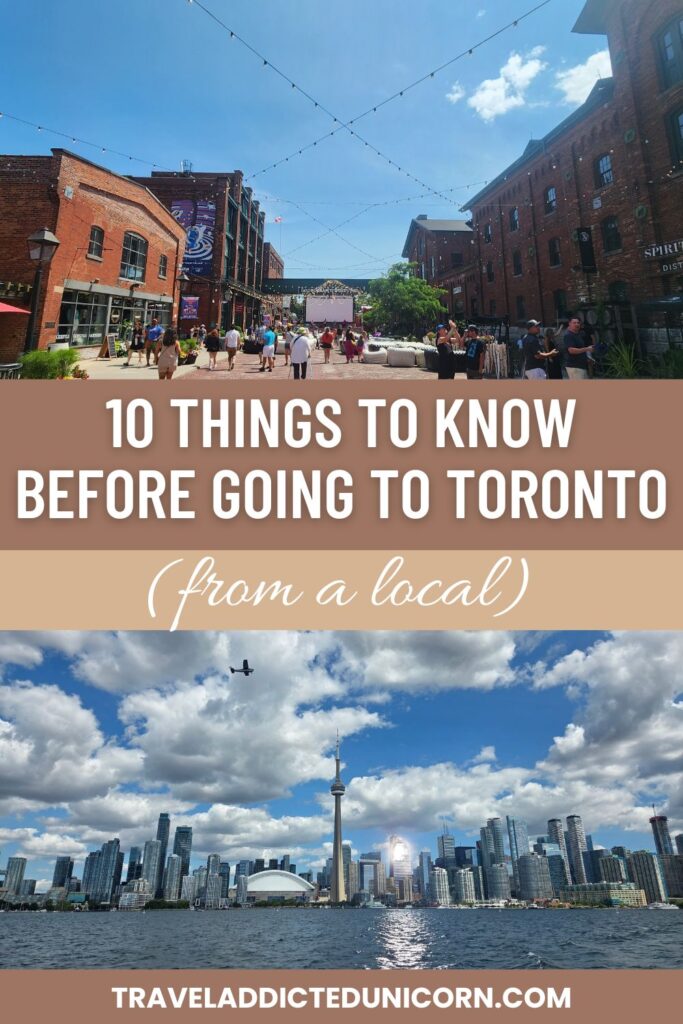
10 Things To Know Before Going To Toronto (From A Local)

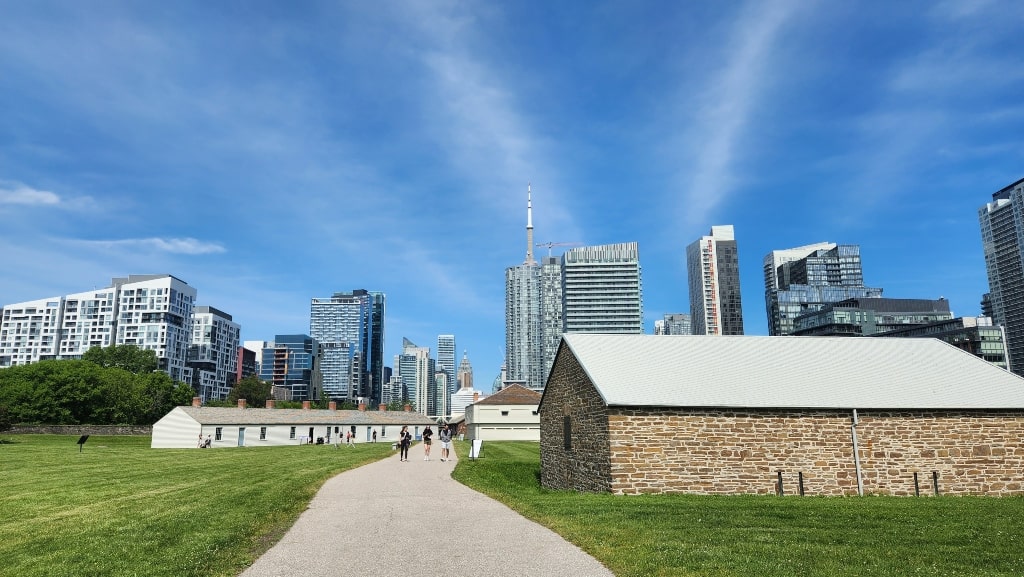

Planning A Trip To Toronto And Wondering What You Need To Know Before You Go? Keep Reading To Find Out!
So what are the main things to know before going to Toronto?
As someone who has called this city home for the past 20 years, I can tell you firsthand that Toronto is unlike any other city.
It is a massive, multicultural, constantly-changing city with its own quirks, hidden gems, and unwritten rules that most visitors don’t know until they arrive.
Whether you’re here for a weekend, a few weeks or planning a longer stay, there are a few things you’ll definitely want to know beforehand.
From what the weather is really like, to how to get around, to tipping expectations, this guide will give you the insider version of Toronto.
So before you pack your bags and start planning your itinerary, here are 10 things to know before visiting Toronto.
Recommended Resources:
✈️ Cheapest Flights
🏢 Hotels
🚵🏼♀️ Tours
🚘 Car Rental
🩹 Travel Insurance
💧 Water Bottle
Things To Know Before Going To Toronto
Let’s jump into what to know before going on a trip to Toronto.
1. Toronto Is Not the Capital of Canada
One of the biggest misconceptions visitors have is assuming Toronto is the capital of Canada, and honestly, it’s an easy mistake to make.
Toronto is the country’s largest city, the center of its business and finance industries, home to the busiest airport (YYZ), and where many major events, concerts, and festivals take place.
Also, the headquarters for huge companies, TV networks, and media outlets are located in Toronto.
But the actual capital of Canada is Ottawa, located about 4–5 hours away.
However, Toronto is the capital city of Ontario, Canada’s most populous province and one of the country’s major economic and cultural hubs.
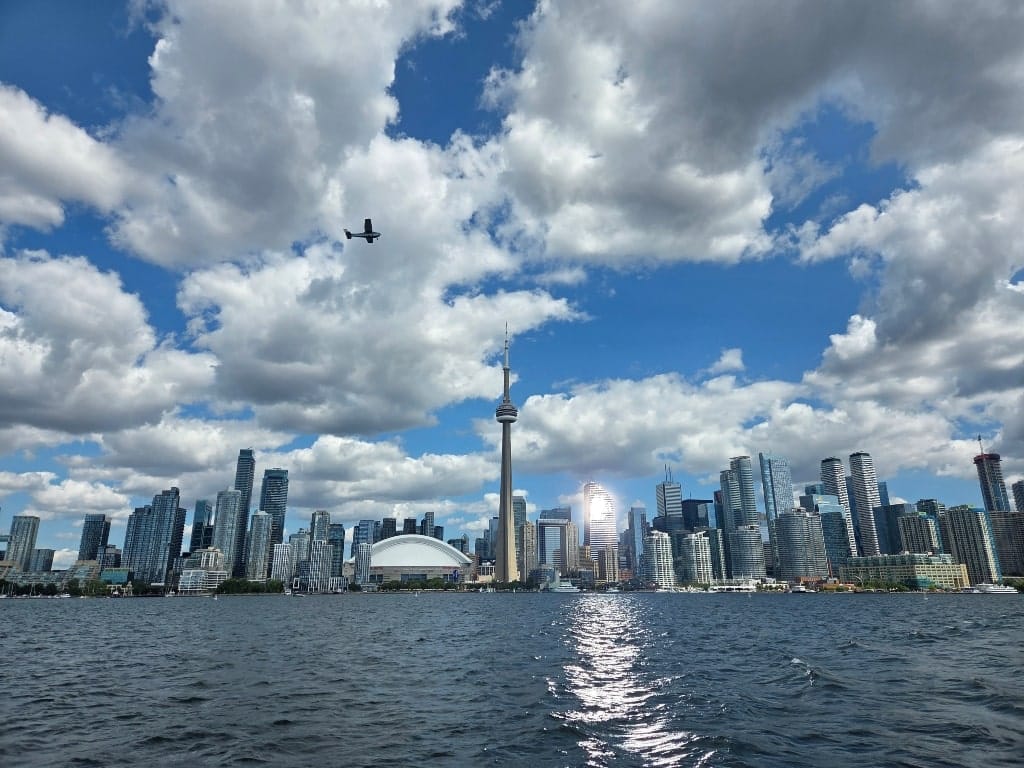
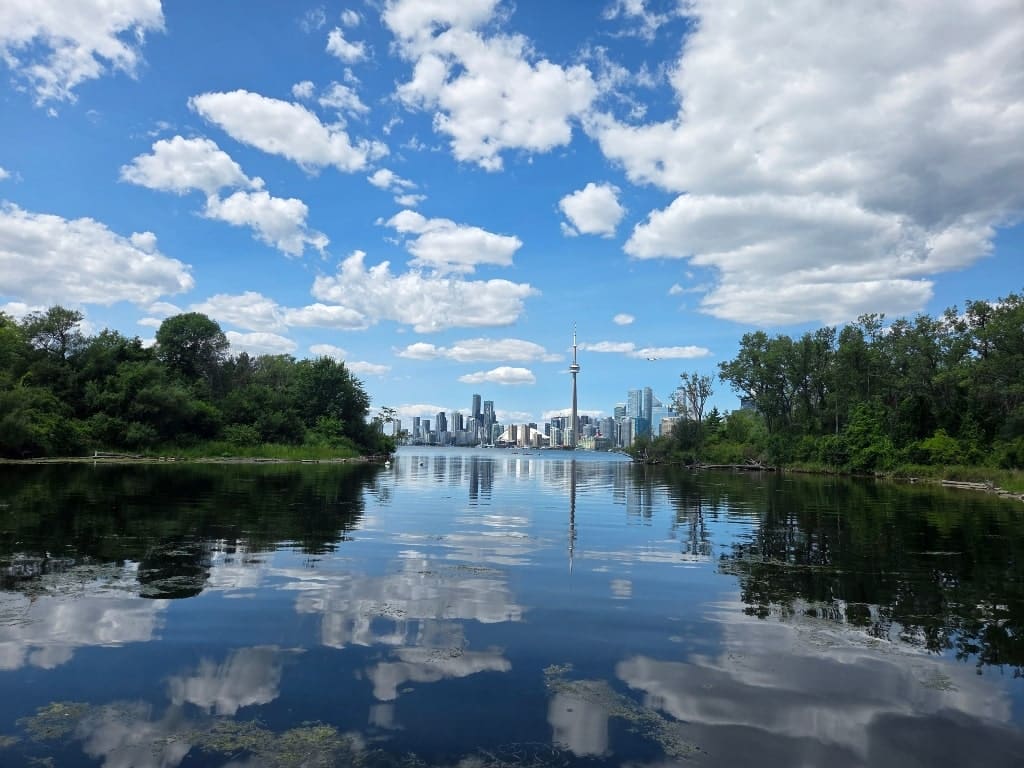
It’s located in Southern Ontario, sitting right on the northwestern shore of Lake Ontario, one of the five Great Lakes of North America.
The population of Toronto is nearly three million people, and over six million in the Greater Toronto Area.
From the shores of Lake Ontario to the lively downtown streets and peaceful green parks, Toronto truly has a little bit of everything.
So yes, it’s not the capital on paper, but in terms of energy, diversity, tourism, and global awareness, Toronto gives off capital city vibes.
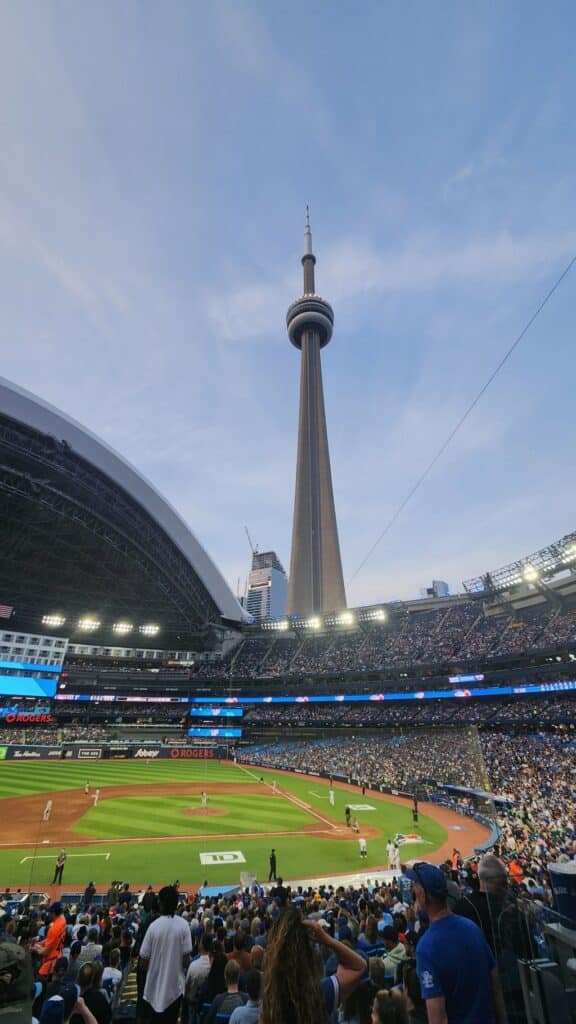
🦄 If you want to learn more about the capital, check out these blog posts:
Is Ottawa Worth Visiting? Best Places & Things To Do
10 Things You Must See In Ottawa, Canada
7 Best Ottawa Bike Tours
Does Ottawa Get A Lot Of Snow?
2. The City Is Huge – Don’t Try to See It All in One Day
Toronto is a massive, spread-out city made up of dozens of neighborhoods, each with its own personality, food scene, and atmosphere.
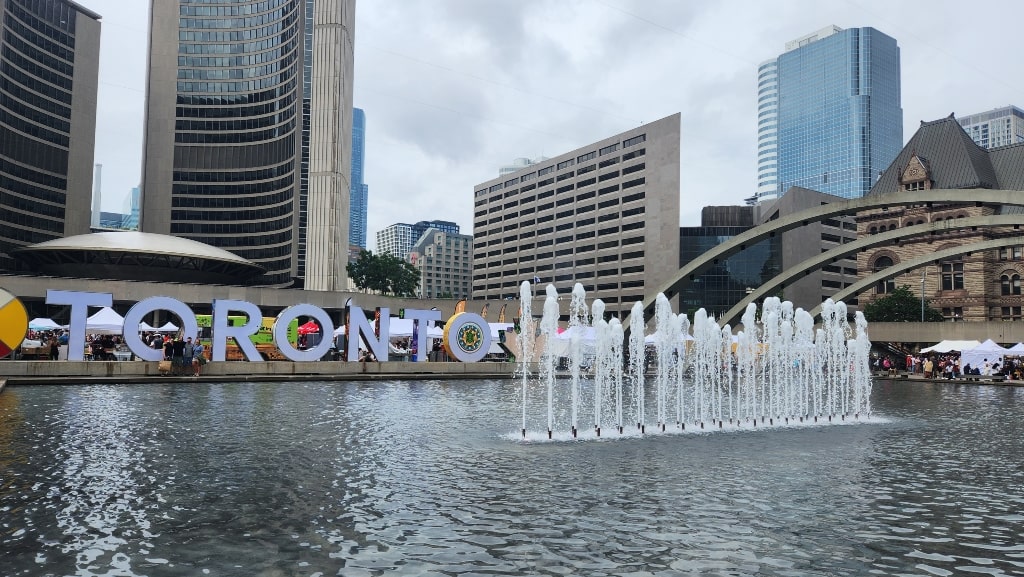
Most visitors only see the CN Tower and the Toronto sign at Nathan Phillips Square, but that’s just the downtown area.
The real Toronto stretches far beyond downtown. From the beaches on the east side to trendy Roncesvalles in the west, all the way up to North York, Scarborough, and beyond.
If you try to squeeze everything into one day, you’ll spend more time on transit or in Ubers than actually experiencing the city.
The smarter strategy is to plan your trip by neighborhood clusters instead of random attractions. For example:
✅ Kensington Market + Chinatown go perfectly together (great for foodies and vintage shopping)
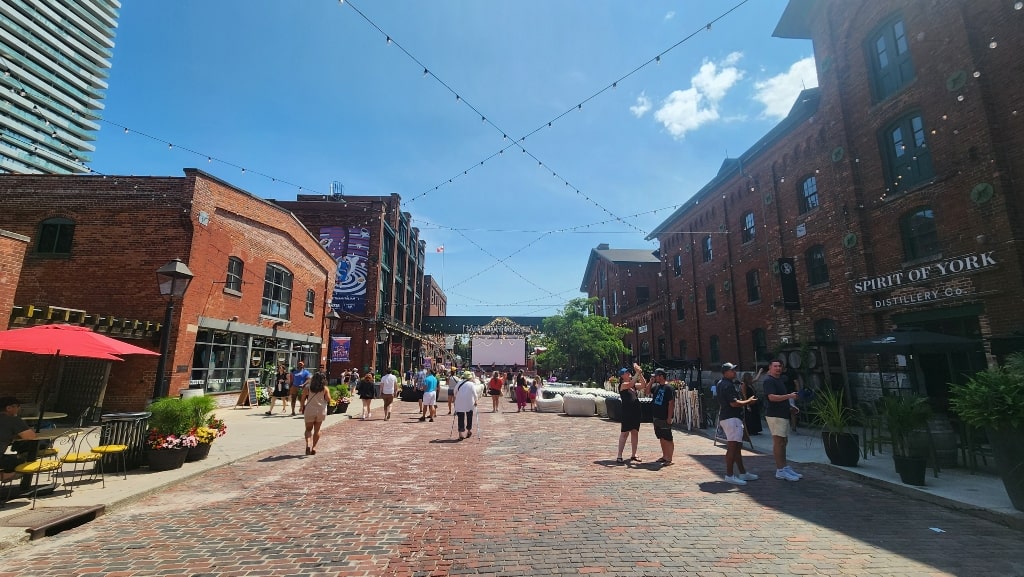
✅ Distillery District + St. Lawrence Market work well in the same day (historic vibes + amazing local food)
✅ Queen West + Graffiti Alley + Trinity Bellwoods Park fit into a laid-back, artsy afternoon
✅ Harbourfront + Ferry to Toronto Islands is a full half-day activity on its own
👉Recommended activities in Toronto:
2-Hour Kensington Market Chinatown Walking Tour
Toronto Distillery District Walking Tour
Segway Tour in the Distillery District
St Lawrence Market Food Tour with 6 Food Tastings
Toronto Street Art and Graffiti Walking Tour
Harbor and Islands Sightseeing Cruise
🎥 Check out the reel I created after doing a Segway Tour: 30-Minute Distillery District Segway Tour in Toronto
3. Public Transit Exists… but It’s Not Perfect
Toronto’s public transit system, known as the TTC (Toronto Transit Commission), is made up of subways, streetcars, and buses.
While it can get you around the city, it’s not the super-efficient, fast, fully-connected system many big cities have.
The subway only has three lines, and only Line 1 (yellow) and Line 2 (green) are useful for most tourists.
If you’re staying downtown, you’ll likely use streetcars more than anything or Line 1 (yellow).
But here’s the honest truth: delays, construction, and sudden route changes are extremely common.
Toronto is constantly building and repairing things, so you’ll often see “shuttle buses replacing subway service” signs, especially on weekends.
Streetcars sometimes get backed up in traffic or stop running due to breakdowns or weather.
💡 Transit Tips:
- You can tap a credit or debit card on newer buses and streetcars. However, not all TTC entrances support it yet.
- If you’re staying more than a few days, buy and load a PRESTO card (cheapest fare)
- Google Maps directions are usually reliable; the Transit App works even better for live updates.
- If you’re traveling during rush hour (7–9 AM, 4–6 PM), expect full trains, packed streetcars, and slower travel times.
- Anything outside downtown, like the Toronto Zoo, Aga Khan Museum, or Scarborough Bluffs, takes longer to reach by TTC, so rideshare may save you 30–45 minutes.
👉Recommended activities in Toronto:
Toronto Zoo Entry Ticket
4. You Don’t Need a Car If You’re Staying Downtown
If your Toronto trip is focused on exploring the downtown core, you absolutely do not need a car.
In fact, having one will probably make your trip more stressful and expensive.
Parking downtown can cost anywhere from $20 to $50 a day, and spots fill up quickly.
Many hotels charge additional daily parking fees on top of your room rate. Also, some older boutique hotels don’t have parking at all.
Add to that the constant construction, one-way streets, bike lanes, and unpredictable traffic and suddenly, your “freedom” to drive turns into a headache.
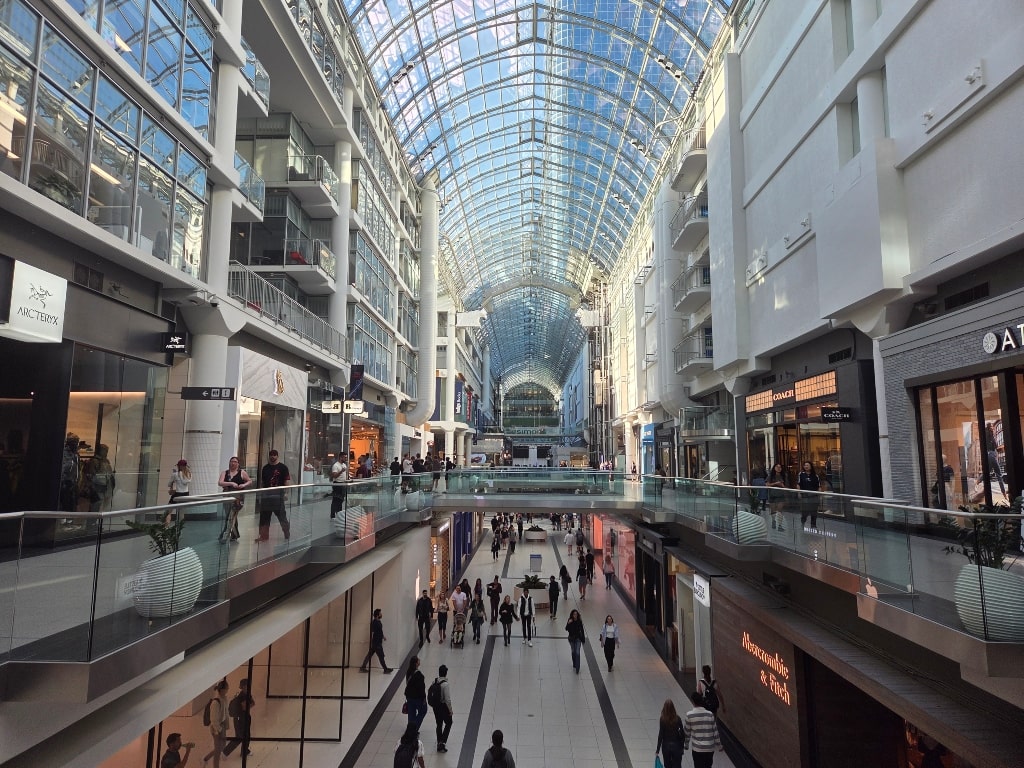
Toronto’s downtown area is very walkable, and most popular attractions are within a 15–25 minute walk or a short TTC ride away.
If you’re heading somewhere a bit farther, like the ROM (Royal Ontario Museum) or Casa Loma, you can easily hop on the subway.
Now, if you plan to explore beyond the city, that’s when a car becomes useful.
For example, day trips to Niagara Falls, Hamilton’s waterfalls, or Elora Gorge are much easier by car.
But within the city limits, you’ll spend more time and money trying to park than actually sightseeing.
Most locals who live downtown don’t even own a car.
👉Recommended activities in Toronto:
Royal Ontario Museum Admission
Casa Loma Entry Ticket
Niagara Falls Guided Day Tour From Toronto with Boat & Tower
Rent a car here: Rentalcars
🦄 If you are looking to check out Toronto as well, here are some helpful blog posts:
10 Best Toronto Hotels By CN Tower
Complete Guide To Visiting Casa Loma, Toronto (From A Local)
12 Fun Activities To Do In Toronto For Adults (From A Local)
Does It Snow In Toronto (From A Local)
How To Get To The Rogers Centre In Toronto (From A Local)?
15 Best Places To Visit In Canada In December
5. Yes, Toronto Is Expensive – Prepare Your Budget
Let’s be honest: Toronto is one of the most expensive cities in North America.
Whether it’s hotels, food, attractions, or transportation, prices in Toronto tend to surprise first-time visitors, especially when you factor in taxes and tipping.
First, the basics: Canada has a 13% sales tax (HST) that’s added at checkout. Therefore, the price you see on a menu or store tag isn’t the final total.
On top of that, tipping is standard and expected — usually 18–20% at restaurants and bars.
So that $25 main course quickly becomes closer to $35 after tax and tip.
Even coffee shops and takeout spots often have tipping options on the screen, which can add up fast.
Hotel prices fluctuate depending on the season, but staying downtown, especially near the waterfront, Entertainment District, or Yorkville, often costs $250–500 CAD per night for midrange options.
Airbnb prices aren’t much better, especially with cleaning and service fees added.
If you’re visiting in the summer, expect prices to spike due to festivals, concerts, and events like Pride or the CNE.
When it comes to food, casual dining in Toronto can easily cost $20–25 per person (and that’s for lunch, not fine dining).
A cocktail can run you $16–20, and even fast-food chains like A&W or Chipotle can cost over $15 per meal.
To save money, look into CityPASS or bundled attraction tickets, and check online, as some attractions have free admission days.
👉Recommended activities in Toronto:
Toronto CityPASS®: Save up to 38% at 5 Top Attractions
6. Toronto Is One of the Most Multicultural Cities in the World, and the Food Scene Proves It
One of the things that makes Toronto so special is its incredible diversity.
Over half the city’s population was born outside of Canada. Making it one of the most multicultural cities on the planet.
You’ll hear dozens of languages just walking down the street, and every neighborhood has its own cultural identity.
You can eat your way across the globe in a single weekend.
From Greek food on the Danforth, to Indian curries in Little India, and Italian pasta in College Street’s Little Italy.
Each area has authentic, family-run restaurants that reflect the city’s immigrant roots.
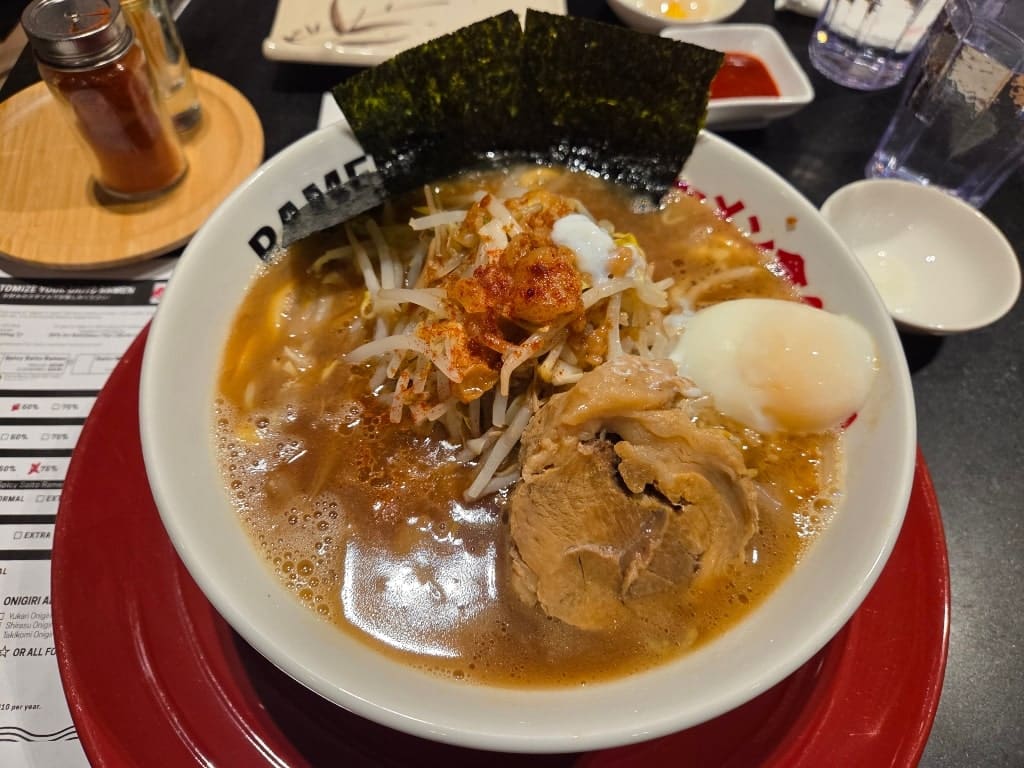
Some of my favorite local experiences include grabbing fresh empanadas at Kensington Market or finding a tucked-away ramen shop on Queen Street.
If you’re visiting during the summer, don’t miss the many cultural food festivals. Such as Taste of the Danforth, Taste of Little Italy, or Caribbean Carnival (Caribana).
Where you can sample global flavors, watch live performances, and really experience Toronto’s vibrant community spirit.
7. Tim Hortons Is a Cultural Icon, Not a Gourmet Café
If you’ve never been to Canada before, you’ll probably notice Tim Hortons on almost every corner, and yes, it’s a huge part of Canadian culture.
To locals, “Timmies” isn’t just a coffee shop; it’s practically an institution.
It’s where people grab their morning coffee on the way to work, where construction crews line up before a long day, and where students fuel up during all-nighters.
You’ll find it everywhere — in gas stations, malls, airports, and even small towns across the country.
That said, let’s set expectations straight: Tim Hortons isn’t fancy coffee.
It’s comfort coffee — simple, cheap, and reliable.
Most Canadians order classics like a “double-double” (coffee with two creams and two sugars). Or an iced capp (a blended iced coffee drink that’s a summertime favorite).
Their Timbits (bite-sized doughnut holes) are another must-try, especially if you want a nostalgic Canadian snack.
But here’s the thing, while tourists often treat it as a “must-visit attraction,” locals see it as part of everyday life.
It’s where you stop on a road trip, grab a quick lunch between errands, or warm up after a hockey game.
If you’re looking for truly amazing coffee, Toronto has tons of independent cafés that take coffee culture to another level — like Pilot Coffee Roasters, Balzac’s, or Sam James Coffee Bar.
However, these cafes don’t have as many locations and are more expensive.
These spots serve specialty espresso and pour-overs that coffee lovers will really appreciate.
Still, visiting Tim Hortons is part of the Canadian experience — it’s cheap, cheerful, and charmingly familiar.

8. Toronto Weather Is No Joke
Toronto’s weather can’t be trusted!
I still get caught off guard by how quickly it changes. Sometimes all four seasons seem to show up in a single day.
The city’s location on Lake Ontario plays a huge role in this unpredictability.
Winter (December–March) can be brutally cold. With temperatures often dropping to -10°C or lower (and feeling even colder with windchill).
The wind off the lake cuts right through you, so bundle up with a heavy coat, hat, gloves, & good boots.
The city gets its fair share of snow, though not as much as places like Ottawa or Montreal.
Downtown tends to be slushy rather than buried in snow, but icy sidewalks are common — especially in January and February.
Spring (April–May) can be tricky. One day it’s warm and sunny, and the next, it’s snowing again.
Bring layers, because mornings can be chilly and afternoons mild.
Summer (June–August), on the other hand, is hot and humid.
Temperatures often reach 30°C, and humidity makes it feel even warmer.
Expect packed patios, festivals, and waterfront crowds. It’s the best time to enjoy outdoor spots like the Toronto Islands, High Park, or Sugar Beach.
Thunderstorms can roll in suddenly, so carrying a small umbrella is smart.
Fall (September–November) is arguably the best time to visit.
The air is crisp, the humidity drops, and the fall colors in Toronto’s parks are gorgeous.
It’s cool but comfortable — perfect for exploring neighborhoods without melting or freezing.
When visiting Toronto dress in layers and check the forecast daily.
And if you’re visiting in winter, plan for more indoor attractions. Such as museums, restaurants, and the PATH (the underground walkway system), become your best friends.
🦄 If you need more info about Toronto, check out these blog posts:
7 Mistakes Visitors Make When Visiting Toronto + Tips On How To Avoid Them
What Language Is Spoken In Toronto?
What Are 10 Interesting Facts About Toronto? (From A Local)
What Are People From Toronto Called?
9 Tipping Is Expected
If you’re visiting Toronto from outside North America, Canada’s tipping culture might come as a bit of a surprise.
Here, tipping is not optional — it’s considered standard practice, especially in restaurants, bars, salons, and taxis.
The general rule of thumb is to tip between 18% and 20% of your bill before tax.
Some people tip 15% for average service, but anything less than that might be seen as rude or a signal that something went wrong with your experience.
Also, it’s important to remember that servers and bartenders in Canada earn a lower base wage because their income relies heavily on tips.
Most restaurants in Toronto will present you with a payment terminal that suggests tipping amounts automatically (often 18%, 20%, and 25%).
Just make sure you’re calculating your tip on the pre-tax total, not the final after-tax amount.
Tipping doesn’t stop at restaurants, though. For coffee shops, it’s common, though not required, to drop a $1–2 tip if you order something more complex than a drip coffee.
At bars, most locals tip $1–2 per drink or about 15–20% on a tab.
For taxis or rideshares, rounding up or tipping 10–15% is the norm.
Hotel staff, hairdressers, and even food delivery drivers also rely on tips — usually around 10–20% depending on the service.
While it might feel like an extra expense, tipping is simply part of life in Toronto, just like in most of the U.S.

10. Day Trips Are Easy
One of the best things about living in Toronto is how many amazing destinations are just a short drive away.
Whether you’re into nature, charming small towns, or history, Toronto makes the perfect home base for day trips.
If you love waterfalls and scenic views, Niagara Falls is a must.
It’s only about 1.5 to 2 hours by car and never fails to impress, no matter how many times you’ve been.
You can take a boat ride to get up close to the falls, enjoy wine tasting at one of the nearby Niagara-on-the-Lake wineries, or stroll through its picturesque streets lined with boutiques and cafes.
For something more low-key, Hamilton is a hidden gem often called the “City of Waterfalls.”
It’s packed with over 100 waterfalls and great hiking trails.
If you’re craving a beach day, Wasaga Beach (the world’s longest freshwater beach). As well as the Sandbanks Provincial Park in Prince Edward County, both are fantastic options.
For history lovers, Stratford and Niagara-on-the-Lake both offer a taste of small-town Ontario.
And if you’re into outdoor adventure, Algonquin Park is about a 3-hour drive. Offering some of the most stunning lakes, canoeing routes, and wildlife viewing in Ontario.
🦄 If you are in Toronto and want to visit Niagara Falls, check out these blog posts:
7 Things To Do In Niagara Falls If It’s Your First Visit
Is Niagara Falls Worth Visiting? Things To Do & Reasons To Visit
Is Tap Water Safe To Drink At The Hotels In Niagara Falls, Canada?
10 Niagara Falls Hotels That Overlook The Falls (Canadian Side)
Why You Should Visit Niagara Falls This Winter
7 Best Niagara Falls Day Tours From Toronto

Conclusion: 10 Things To Know Before Going To Toronto (From A Local)
Toronto is a city that offers a little bit of everything — culture, food, nature, diversity, and a bit of chaos (especially in traffic!).
Whether you’re visiting for a weekend or staying longer, knowing these tips ahead of time will help you experience Toronto like a true local.
From mastering the transit system and dressing for unpredictable weather to finding the best neighborhoods and planning easy day trips, these insights can make your visit smoother, more enjoyable, and a lot more authentic.
It’s a city of neighborhoods, hidden gems, and endless things to do — no matter the season.