
Are There Sharks In Atlantic City, New Jersey?

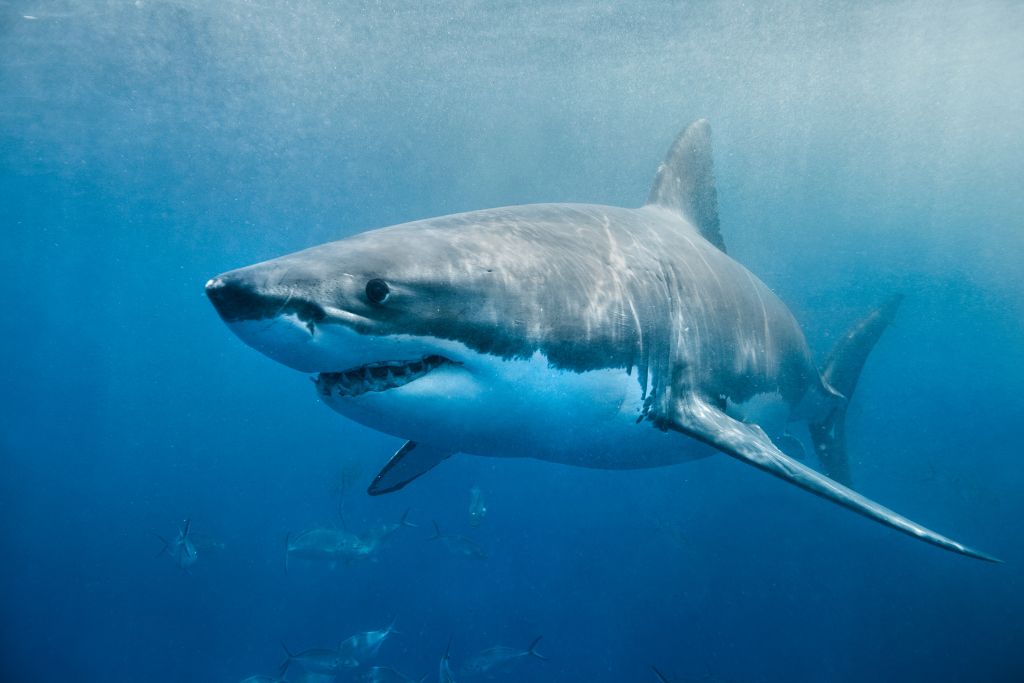
Are You Wondering If There Are Sharks In Atlantic City, New Jersey? Keep Reading To Find Out!
So are there sharks in Atlantic City?
Planning a beach getaway to Atlantic City and wondering if you’ll be sharing the water with sharks?
You’re not alone! This is one of the most common questions travelers ask before diving into the Atlantic Ocean along New Jersey’s coast.
While Atlantic City is best known for its casinos, boardwalk, and nightlife, it’s still a coastal destination, and that means marine life is part of the picture.
Let’s break down what you really need to know: what kinds of sharks are found in the area, how often they’re spotted, and whether the beaches are safe for swimming.
This post will give you the facts, so you can enjoy the beach with confidence, instead of worrying.
Are There Sharks In Atlantic City, New Jersey?
Yes, there are sharks in the waters of Atlantic City, New Jersey.
The Atlantic Ocean is home to a variety of shark species, and some of them do swim along the Jersey Shore, including near Atlantic City.
However, sightings close to the shore are rare, and shark attacks are even more uncommon.
Most of the sharks found in this region stay far offshore, avoid humans, and play an important role in the ocean’s ecosystem.
What Are Some Common Shark Species Found In The New Jersey Waters?
Let’s take a look at some of the most common shark types that live in the New Jersey waters.
1. Smooth dogfish (Mustelus canis)
- These are small to medium-sized sharks that use shallow bays and estuaries for nurseries.
- They have rounded, blunt teeth and feed on crustaceans, squid and small bony fish.
- Found commonly in New Jersey’s back bays, such as Great Bay and Little Egg Harbor.
- Risk to humans: Very low. These are not aggressive toward swimmers.
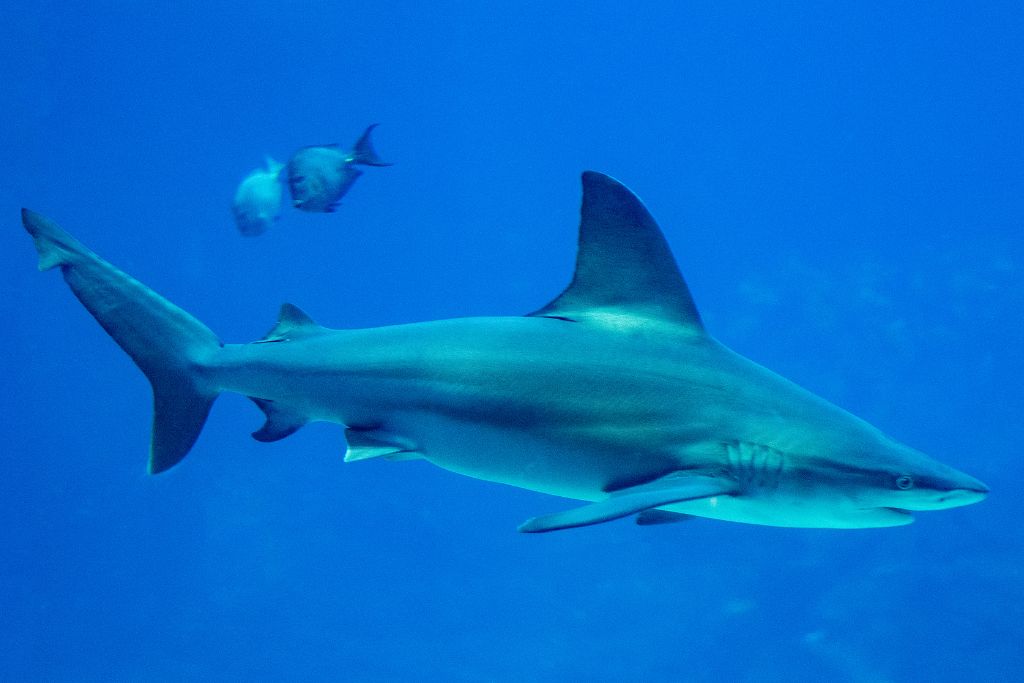
2. Sandbar shark (Carcharhinus plumbeus)
- Medium-sized shark (up to ~8 ft) that frequents bays, shallow near-shore sand-bars and estuaries.
- Their young often use places like Barnegat Bay and Delaware Bay as nursery areas.
- Risk to humans: Still quite low, though their size means they command respect.
3. Sand tiger shark (Carcharias taurus)
- Large sharks (up to ~11 ft or more) with a fearsome appearance (visible pointed teeth) but relatively docile in behavior.
- They are known to use the surf zone and shallow bays. Evidence suggests a nursery habitat near the coast.
- Risk to humans: Rarely aggressive to swimmers unless provoked.
4. Great white shark (Carcharodon carcharias)
- These are large apex predators. The region near New Jersey and New York (known as the New York Bight) has been identified as a nursery area for great whites.
- Sightings are less frequent in the immediate surf zone compared to smaller shark species, but they do occur off the coast.
- Risk to humans: Although capabilities are there, meaningful attacks near popular swimming areas remain very rare.
5. Atlantic common thresher shark (Alopias vulpinus)
- Known for their very long tail fins (used to “tail-slap” prey). They inhabit both coastal and deeper offshore waters.
- Though they may occasionally come closer to shore, they are more offshore-oriented.
- Risk to humans: Low; not commonly in shallow swimming zones.
Why Are Shark Encounters Rare In Atlantic City?
Shark encounters in Atlantic City are rare because most of the shark species found off the New Jersey coast prefer deeper offshore waters rather than the shallow surf zone where people swim.
Even the species that do come closer to shore, like sandbar or sand tiger sharks, tend to stay near deeper channels, and inlets—not crowded beach areas.
Also, sharks don’t view humans as prey and generally avoid us.
Especially in murky water where visibility is low, which is common along the Jersey Shore.
On top of that, lifeguards monitor the beaches during peak season.
They quickly alert the swimmers if anything unusual is spotted.
Since most beachgoers only wade in waist-deep water and sharks are more active farther out, the chances of humans and sharks crossing paths are extremely small.

What Are Some Tips For Staying Safe In The Water?
Let’s take a look at some safety tips for staying safe in the water:
✅ Swim at lifeguarded beaches
Always choose areas where trained lifeguards are on duty. They monitor conditions, watch for marine life, and can respond quickly in an emergency.
✅ Avoid swimming at dawn, dusk, or nighttime
These are peak feeding times for many marine animals, including sharks. Stick to daylight hours when visibility is higher.
✅ Don’t swim near baitfish, birds diving, or fishing areas
If you see schools of fish splashing near the surface, seabirds circling and diving, or people actively fishing, it means predators may be nearby. Move to a clearer area.
✅ Stay in groups when swimming
Sharks are far less likely to approach multiple people. Most shark encounters involve individuals swimming or surfing alone.
✅ Avoid wearing shiny jewelry
Reflections in the water can look like fish scales and may attract curious marine animals. Avoid wearing flashy jewelry.

✅ Skip the bright or high-contrast colors
Some studies suggest sharks are drawn to bold colors like yellow and neon. Neutral or darker swimwear blends in better with the water.
✅ Stay close to shore
The farther you go from shore, the more you enter deeper water where marine life is more active. Stay within the normal swimming zone unless you’re doing a supervised activity.
✅ Don’t enter the water with open wounds
Blood and bodily fluids can attract marine animals. If you have a cut, consider skipping the swim or covering it properly.
✅ Respect warning flags and posted signs
If a beach is closed or a red flag is up, there’s a reason—anything from rip currents to wildlife activity. Never ignore safety alerts.
✅ Stay calm if you spot a shark
If you do see one, don’t splash or panic. Stay still or swim smoothly back to shore while keeping the shark in sight. Splashing can mimic distressed prey.
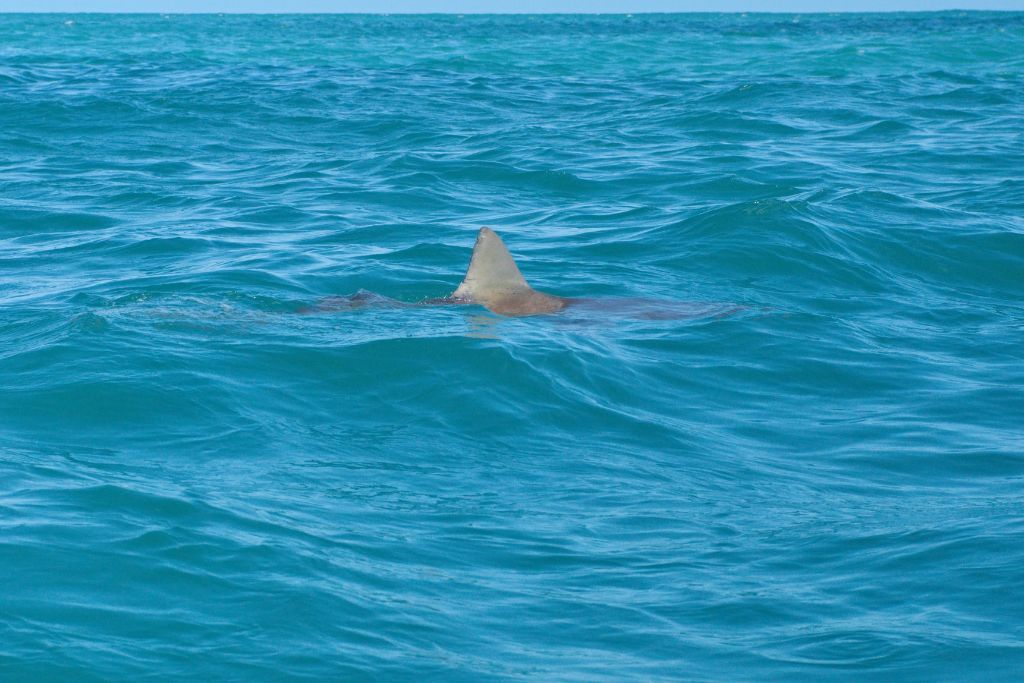
What Are Other Dangerous Animals In Atlantic City, New Jersey?
Let’s take a look at what other dangerous animals you can encounter in Atlantic City, New Jersey.
Are there jellyfish in Atlantic City, New Jersey?
Yes, jellyfish do appear in the waters around Atlantic City, New Jersey.
Especially during the warmer months when conditions are right.
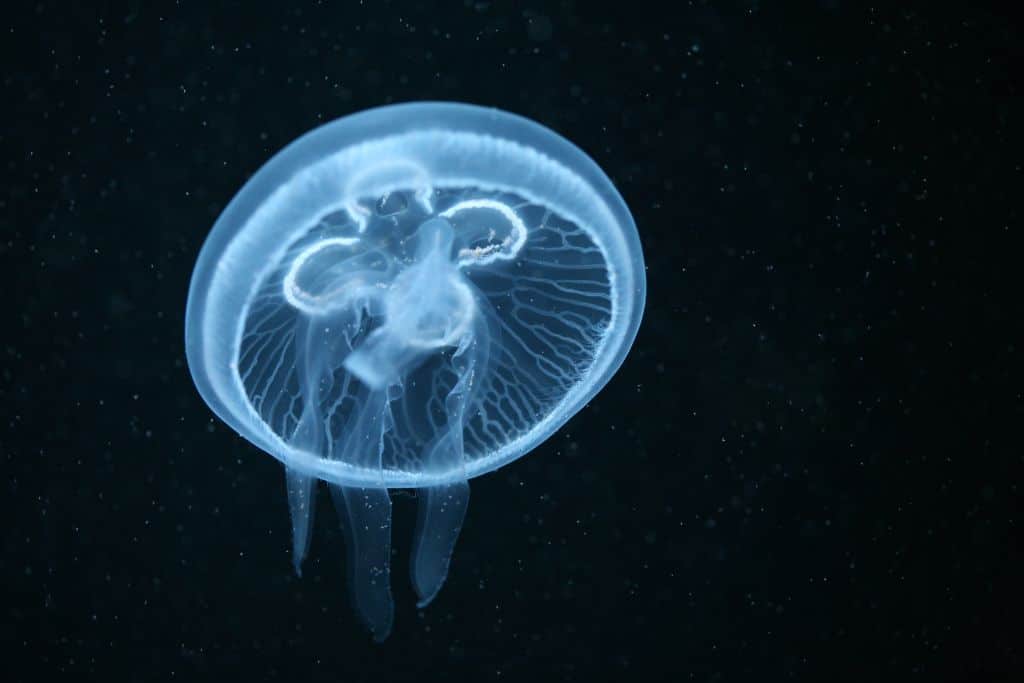
Common species reported along the Jersey Shore include the translucent and harmless-looking Moon Jellyfish (which carries a very mild sting).
As well as the more concerning Clinging Jellyfish, which thrives in shallow bay and estuarine waters and has a stronger sting.
In addition, sightings have included the less common but potentially more painful Mauve Stinger.
A small purple-pink jellyfish whose sting is considered intense.
Beach and bay water users are therefore advised to take precautions. Such as swimming in lifeguarded areas, avoiding touching jellyfish (even washed-up ones can still sting), etc.
While the presence of jellyfish is a legitimate concern, with awareness and common-sense steps, you can still enjoy the beach safely.
Are there bears in Atlantic City, New Jersey?
Yes, black bears are present in the broader region of southern New Jersey, including Atlantic County, where Atlantic City is located.
However, encountering one in the immediate city or on the beach is very unlikely.
The American black bear has been confirmed in all 21 counties of New Jersey.
However, most sightings in South Jersey tend to occur in more wooded or semi-rural zones rather than highly developed seaside resort areas.
Bears prefer forested and quieter habitats, so their presence in a bustling urban beach environment is rare.

Are there snakes in Atlantic City, New Jersey?
Yes, there are snakes in the wild areas around Atlantic City, New Jersey, though encounters on the beach or boardwalk are extremely uncommon.
The state has about 22 different snake species, most of them non-venomous.
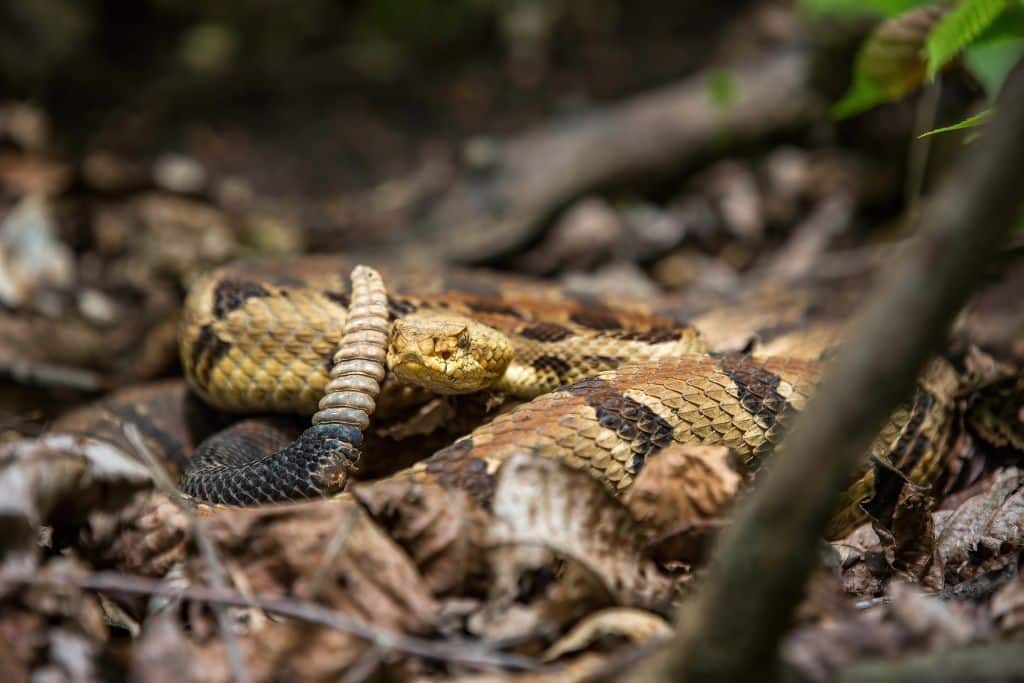
In the southern portion of New Jersey, including the Pine Barrens region in the same county as Atlantic City, there is a population of the venomous Timber Rattlesnake, which is rare and protected.
Meanwhile, the other venomous species, the Northern Copperhead, is restricted to the northern half of the state and not typically found near Atlantic City.
For most beachgoers and urban areas around Atlantic City, the snakes you might occasionally spot would be non-venomous species, mostly moving through wooded edges or marshes.
Therefore, the risk is very low if you’re sticking to boardwalks and open beach zones.
Are there crocodiles in Atlantic City, New Jersey?
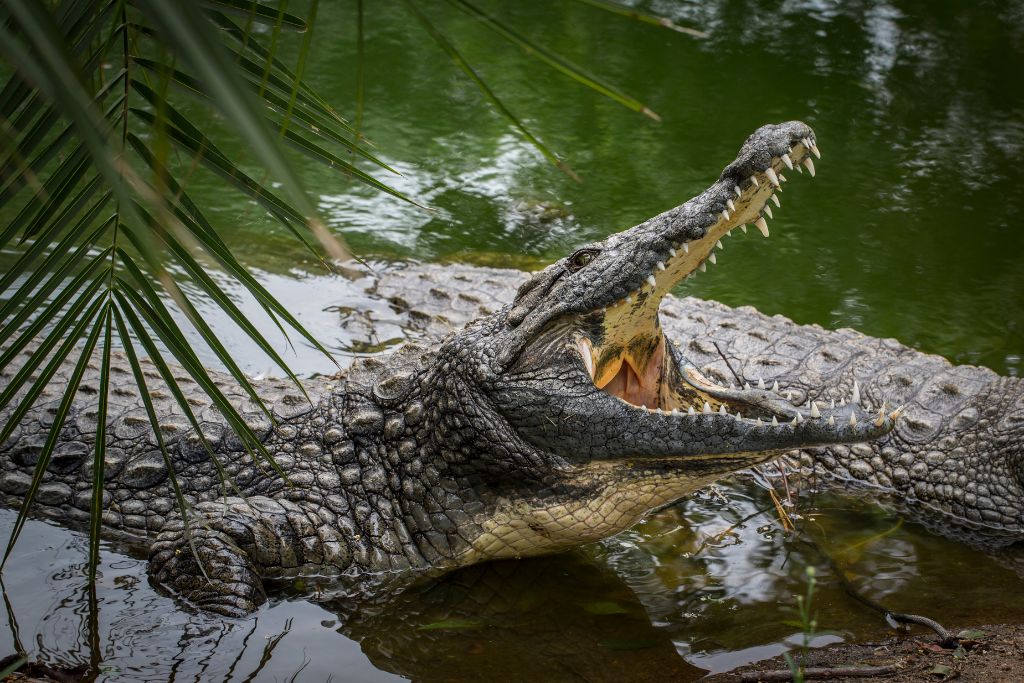
No, there are no crocodiles native to the waters or land around Atlantic City, New Jersey.
The warm-weather habitats that crocodiles and alligators favor simply don’t align with New Jersey’s climate and ecosystem.
Therefore, you will not come into contact with a crocodile while visiting Atlantic City.
FAQs:
Let’s take a look at some of the most frequently asked questions when it comes to whether there are sharks in Atlantic City, New Jersey.
Can you swim in Atlantic City, New Jersey?
Yes, you can definitely swim in Atlantic City, New Jersey.
It’s one of the city’s most popular summer activities.
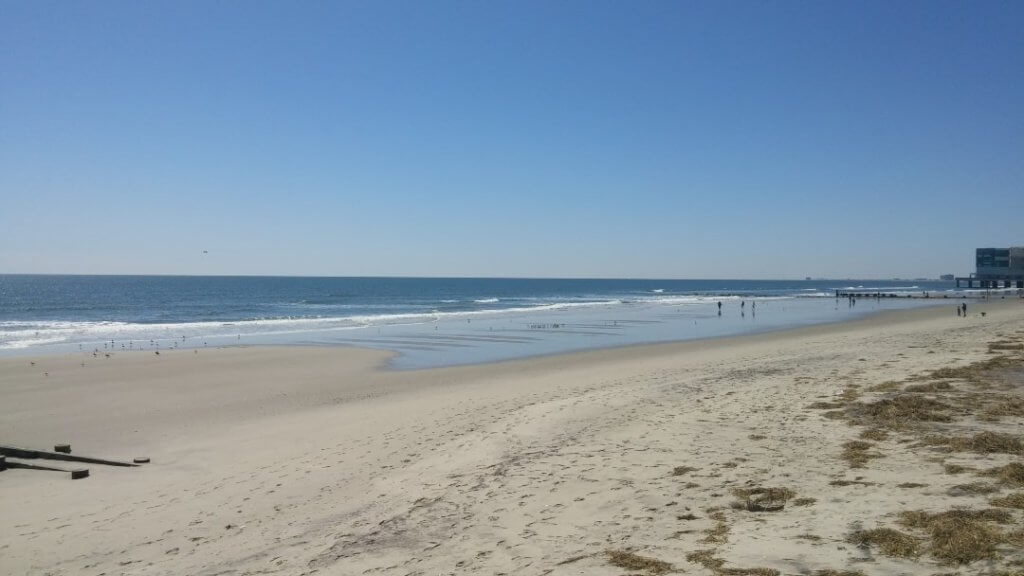
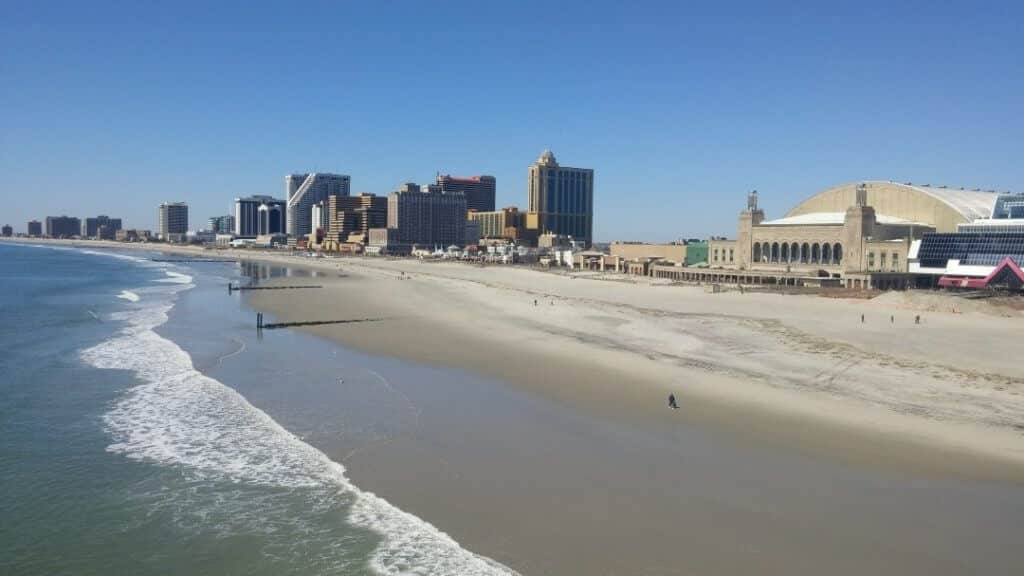
The beaches along the Atlantic Ocean are wide, sandy, and regularly patrolled by lifeguards during the peak season, making them safe for swimmers of all ages.
Swimming is generally allowed in designated areas marked by flags, and most of the water is shallow enough near the shore.
However, like any ocean destination, you should pay attention to currents, waves, and posted warnings, and it’s always safest to swim near lifeguards.
While the Atlantic waters can be chilly early or late in the season, during the summer months, they’re typically comfortable.
Also, many visitors combine swimming with sunbathing, boardwalk activities, and other beach fun.

What time of year are sharks closer to shore?
Sharks are more likely to be closer to shore along the New Jersey coast, including Atlantic City, during the late spring through early fall, roughly May through September.
This timing corresponds with warmer water temperatures and the seasonal migration of prey fish like menhaden, which attract sharks closer to the beaches.
During these months, smaller sharks such as sandbar and sand tiger sharks may venture into shallow bays and nearshore areas.
While larger species like great whites often patrol just beyond the surf zone, but can occasionally come closer in pursuit of food.
Shark activity typically peaks in late summer, when the ocean is warmest, but encounters with swimmers remain extremely rare.
What scares sharks away?
Sharks are naturally cautious creatures and can be discouraged by certain behaviors and environmental factors.
They are sensitive to strong smells and reflective surfaces, and some artificial repellents or electronic deterrents that emit electrical pulses or magnetic fields can keep them at bay.
In addition, the presence of larger predators like dolphins, or busy, noisy areas with lots of human activity, often keeps sharks away, as they prefer quieter, low‑disturbance zones.
While no method guarantees complete protection, staying in groups, swimming in lifeguarded areas, and avoiding bleeding or erratic behavior in the water significantly reduces the chance of an encounter.
What month has the most shark attacks?
August tends to have the highest number of shark attacks.
This timing coincides with the peak of summer beach season, when the ocean is warmest, and more people are swimming, surfing, or participating in water activities.
Also, it aligns with periods when sharks, following prey, may venture closer to shore.
While the number of attacks remains extremely low overall, the combination of warmer water, more swimmers, and active shark feeding patterns makes mid‑ to late‑summer the time when encounters are slightly more likely.
🦄 Here are more helpful Atlantic City blog posts:
Is Atlantic City In New York State? Where Is Atlantic City Located?
7 Things To Know Before Going To Atlantic City
7 Mistakes Visitors Make When Visiting Atlantic City + Tips On How To Avoid Them
10 Things To Do In Atlantic City
Wrap-Up: Are There Sharks In Atlantic City, New Jersey?
Visiting Atlantic City doesn’t have to come with a fear of sharks — the wildlife in and around the area is rarely dangerous, and often stays out of sight.
Sharks do patrol the waters off the Jersey Shore, and occasional jellyfish or other marine creatures may appear in summer.
However, with a little awareness and common‑sense precautions, swimming and enjoying the beach is safe and fun.
By following simple safety tips, staying in lifeguarded areas, and respecting local warnings, you can enjoy all that Atlantic City has to offer with confidence and peace of mind.